 Home Advisor Locksmith
Lock and Key Guidance for Bal Harbour Owners and Shops
This page offers general guidance to people in Bal Harbour who deal with building access, unit entry doors, car keys, safes and shop security, with attention to salt air, managed buildings and the storm season.
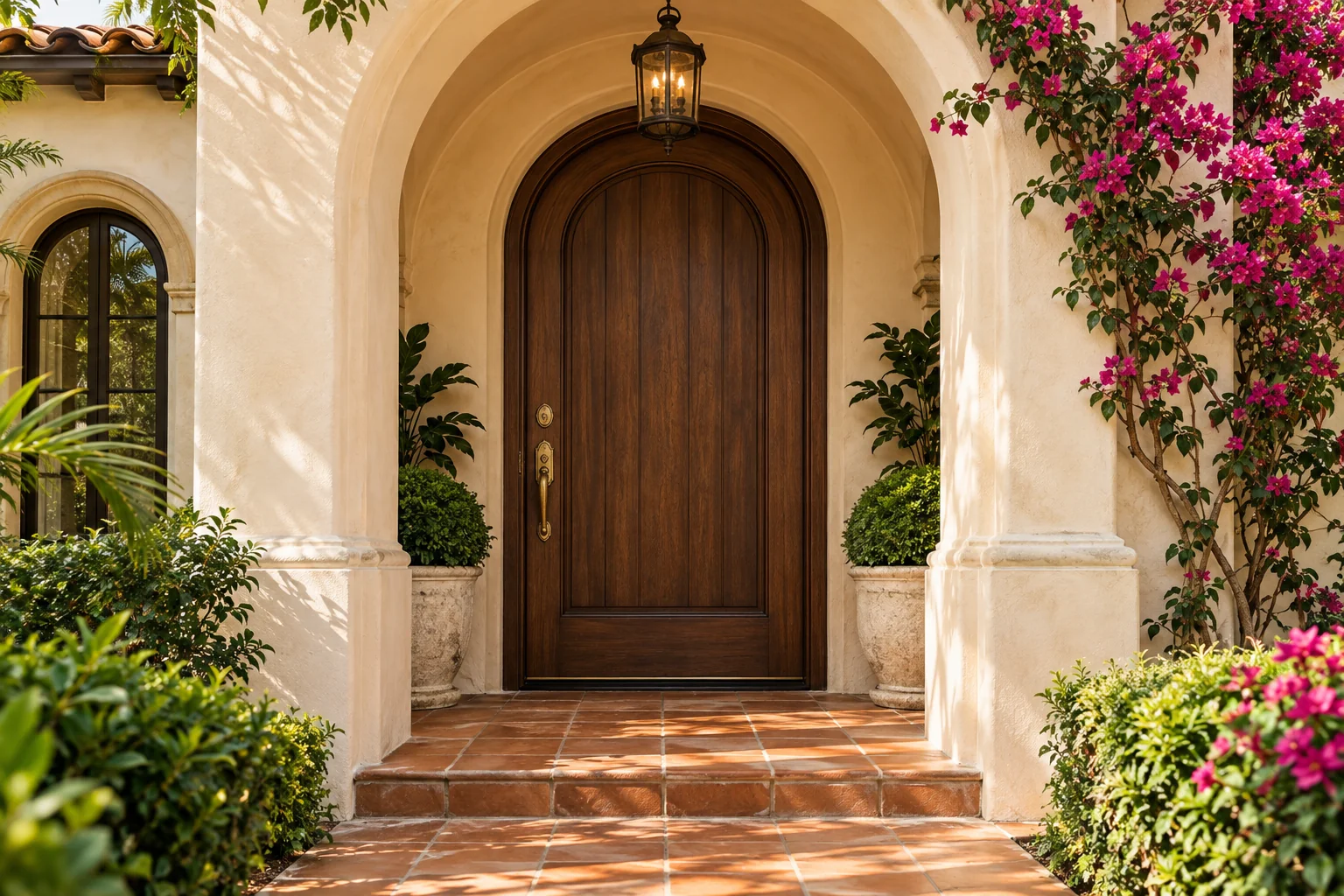
Living and working in managed buildings
Many residents and businesses along the coast operate inside managed buildings, where a board, an association or a management company sets rules for doors and keys. That changes the way lock work is arranged. You may not be allowed to change your entry lock without approval, a staff member may hold a copy of your key, and the building may require that any outside technician check in at a desk before going up.
Before you call anyone, find out what applies to you. Ask the building manager or your association about unit entry doors, service doors, storage rooms and any shared areas. Ask whether approval is needed, whether a copy of the key must be left with management, and whether the work must be done at certain hours. Rules vary from one building to the next, so this page cannot tell you what yours says.
Home Advisor Locksmith is a mobile service. Calls are answered by a real person, the price is explained before work starts, the technician comes to you and the finished work is checked with you before the visit closes. This page is general guidance and makes no claim about any specific building, street, resident or business in Bal Harbour.
If you rent, take the same questions to your landlord first. Many leases prohibit lock changes without written permission, and some require that the owner always hold a working key. Getting approval in writing protects you and keeps the work legitimate from the start.
When you call, mention the building rules you already know. If the manager told you that outside technicians must check in, or that work may happen only at certain hours, say so. The dispatcher can then plan the visit around those limits and tell you what to prepare, such as a parking arrangement, a service elevator booking or a note for the front desk.
Unit entry doors and what really protects them
The entry door to a unit is the main barrier between the hallway and your home, and it deserves more than a glance. A good deadbolt helps, but the door, the frame, the hinges and the strike plate all share the job. A strong bolt set into a weak frame, or held by short screws, can fail where the weakest part gives way.
Ask a technician to check the strike plate screws, the hinge screws and the gap around the door. Small adjustments, like longer screws that reach the framing behind the plate, often improve things a great deal. Keep in mind that some building doors have specific requirements for fire safety or appearance, so ask the building manager before altering the door itself.
Our guide on door frames and strike plates explains why these details matter, and the page on deadbolt installation and upgrades covers what a technician considers when changing a lock. If your lock is worn or loose, ask the technician what grade of deadbolt is on the door and what the grades mean.
Never assume a lock that looks sturdy is working well. Test it. Turn the thumb turn and watch the bolt. It should extend fully and retract without catching. If the door has to be lifted or pushed to lock, something has shifted. Mention what you notice when you call, since the symptom usually points to the cause.
Peepholes, door viewers and chains are part of the picture too. A viewer lets you see who is outside before you open, and a chain or a secondary latch gives you a moment to talk without opening the door fully. These are small, inexpensive additions, but you should check your building rules first, since some doors have restrictions on alterations.
Access cards, key fobs and building systems
Many buildings use access cards, key fobs or keypads for lobbies, garages, gyms and amenity areas. These systems are usually controlled by the building and not by individual owners, so a lost fob or a malfunctioning reader is a matter for management. A locksmith may help with a door's mechanical hardware, but the electronic credentials typically come from the building's system.
If you lose a fob or card, tell management as soon as you notice, so the credential can be deactivated. A lost credential that stays active is a risk to everyone in the building. Ask what the replacement process is and whether there is a deposit or a form to complete. Do not wait and hope the item turns up.
The comparison of key cards, key fobs and keypads explains how each works and where each tends to cause trouble. Understanding the technology makes it easier to describe a problem accurately to management or a technician.
For your own unit, you may combine a traditional key with an electronic lock. Whatever you choose, keep a mechanical backup in a safe place. Electronics can fail, batteries can die and a lock that depends on a single method can strand you.
Think carefully about who receives a credential. A cleaner, a dog walker and a contractor may each need entry, but they probably do not need the same level of access, and none of them needs it forever. Ask management if credentials can be limited by time or area, and remove access when the job ends. That habit keeps a large building safer than any single lock.
- Report a lost card or fob to management right away so it can be deactivated.
- Ask who is responsible for each door: you, the association or the building.
- Keep a mechanical key somewhere safe even if you use an electronic lock.
- Write down what was changed and when, and keep the record with your lease or deed papers.
Owners who are away for part of the year
Many owners spend only part of the year in their home, which creates its own lock and key questions. An empty unit still needs checking, a spare key must be with someone dependable, and any work that needs access must be coordinated from a distance. The more people who hold keys, the harder it is to know who can enter.
A short written list helps. Note who holds each key, why, and when you last confirmed they still have it. If the list becomes unclear, a rekey resets everything. A technician can change the pins in the existing cylinder so old keys stop working and a new set takes over, without altering the look of the door.
Ask the building about their rules for access while you are away. Some managers require that they hold a key for emergencies, and some require notice for any visitor or worker. Tell any helper you hire what the building expects so they do not run into surprises at the desk. The guide to spare key strategies offers ways to think about who should hold copies.
When you return, test every lock and every key. Humid air in a closed unit can affect hardware, and a lock that was fine in spring may be stiff by fall. Report anything unusual to management so the building knows.
If you use a property manager or a concierge style helper, put the arrangement in writing. State who may enter, when, and what they may do. If a key is passed to a new helper, note the date. This sounds formal, but it is exactly the kind of record that clears up confusion when a door is found unlocked or an item goes missing, and it protects the helper as much as you.
Salt air, humidity and the ocean breeze
Being near the ocean means salt in the air all year. It settles on balcony doors, handles and any hardware that faces the outdoors, and it works its way into cylinders. The combination of salt and humidity speeds up corrosion, so locks near the coast tend to wear sooner than those inland.
The early signs are a gritty key, a sticky thumb turn, a handle that looks pitted or a finish that flakes. Do not force a lock that resists. A key that snaps in a cylinder is a bigger problem than a stiff lock. Describe the symptom, and a technician can advise whether cleaning, a part replacement or a new lock is the right step.
Hardware choices matter. Solid brass and stainless steel generally hold up better than thin plated parts. The comparison of brass and stainless lock hardware explains the differences, and the guide to salt air and lock corrosion covers the broader picture.
Simple habits help. Wipe exposed hardware with a damp cloth, dry it and avoid spraying random oils into a lock. Ask your technician which lubricant fits your lock before you use any, since the wrong product traps grit and makes matters worse.
Look at the fasteners as well as the lock. Screws and bolts exposed to salty air corrode and weaken, and a handleset that wobbles may simply have tired screws. Replacing them with corrosion resistant screws is inexpensive in practical terms and extends the life of the hardware. A thorough technician will look at the whole assembly, not just the part that is complaining.
Shops, offices and front of house doors
Commercial spaces in a resort style setting face their own challenges. Doors open and close all day, staff come and go, and a glass storefront can be a point of concern. Hardware that works for a bedroom closet will wear out early under that kind of use, so commercial grade parts are usually the sensible choice.
Key control matters even more in shops. Keep a list of who holds each key, collect keys when staff leave and use restricted key blanks if copies should not be made casually. If you have several doors, a master key system lets managers open everything while staff open only what they need. The page on master key systems explains how that works.
Glass doors and storefronts need particular care. The lock, the frame and the glass all form part of the security picture. Our guide to glass door and storefront security ideas discusses practical options, and the page on commercial locksmith work covers the wider range of services.
Check your lease or building rules for lock changes. Many landlords require copies of keys or approval for hardware. Fire and life safety rules for exit doors vary, so ask your city, the fire authority or the building manager what applies to your doors rather than assuming.
Think about the end of the day as well. Who locks up, who has the alarm code, and who checks that the back door is secure? A closing routine written on a card by the door prevents many lapses. If the person who normally closes is away, the next person should be able to follow the same steps without guessing, and the keys they need should be easy to find.
Car keys, valet habits and shared parking
Cars in busy coastal areas change hands often, whether through valet service, shared garages or rental use. Keys can be mislaid, copied or left in the wrong place. If you hand your key to a valet, be sure you receive it back and that you did not leave a second key in the car.
Modern car keys are not simple. Many contain a transponder chip, and some are push button fobs. Replacing one needs programming that matches the vehicle. A mobile locksmith can often do the work at your location, although the details depend on the make, model and key type. You will be asked for ID and proof of ownership.
The page on car key replacement describes the service in detail, and the guide on what to do after losing a car key helps you decide your first steps. Tell the technician about the type of key and any push button start, since that guides the plan.
A habit worth building is to keep a spare key separate from the main one and never inside the car. A spare in the glove box is not a spare, it is a gift to whoever opens the car. Keep it at home or with someone you trust. If you only have one key left, have a second made while the first still works, since programming from a working key is usually simpler.
If a child or a pet is locked in a hot car, call emergency services first. Do not wait for a locksmith. Once everyone is safe, call for help with the lock itself.
Storm season preparation
Hurricane season asks for preparation in every building. Shutters and storm panels go up, residents leave and managers close up common areas. For locks, the key points are to test doors in advance, to know where your keys are and to plan how someone will check your unit if you are away.
Walk your unit and try each exterior door, including any balcony door. Check that each deadbolt throws smoothly and that each key works without effort. Tighten loose hinge screws and look at strike plates. If a door rubs or drags, deal with it when the weather is calm, since humidity makes swelling worse.
After a storm, check again for water, damage or doors that no longer close well. The guide on hurricane season lock and door checks offers a practical sequence. Tell management about anything that looks wrong, since shared doors and common areas are their responsibility.
Safes, valuables and smart locks
Residents and shop owners often keep documents, jewelry and cash in a safe. Safes need care in humid air, since moisture can affect dials, keypads and batteries. If a safe will not open, avoid trying random codes repeatedly or forcing the handle, which can lock the mechanism or damage it.
A technician can help with a forgotten combination or a failed keypad, but they will ask for proof of ownership first. The page on safe opening service explains what to expect. Keep your combination written in a separate, secure place, and replace batteries on a schedule.
Smart locks can work in this setting if the building allows them. They suit people who want to manage guest access without handing out keys. They also require batteries, door alignment and a backup plan. Ask management whether electronic locks are permitted on unit doors before buying one.
How a visit works
The process is simple. You call, and a real person asks about your situation and location. The price is explained before work starts. The technician comes to you, does the work and checks it with you before the visit closes. Nothing should feel unclear.
Have ID and proof of ownership or permission ready, and let building staff know a technician is on the way if your building requires it. If approval is needed, arrange it ahead of time so the visit goes smoothly.
Afterward, test every key and lock that was touched. Keep new keys together, store spares carefully and write down what was changed and when. A short record helps when you sell, rent or call for help again.
Common questions
Can I rekey my unit's front door myself?
Check with your association or building manager first. Many buildings treat entry doors as shared or regulated elements and set rules on approval and key copies. Once you know the rules, a technician can do the work and tell you what was changed.
What should I do if I lose a building fob?
Tell management right away so the fob can be deactivated and replaced. A lost credential that stays active is a risk to the whole building. Ask about the process and any form you must complete, and do not wait for it to turn up.
How can I protect my unit while I am away?
Keep a short list of who holds keys, ask a trusted person to check the unit and learn the building's rules for access. Rekey if you are unsure who has copies. Test every lock when you return, since humid closed units can develop stiff hardware.
Why does my balcony door lock feel stiff?
Salt air, dirt in the track or a latch that no longer lines up with its keeper are common causes. Do not force it. Clean gently and describe the symptom to a technician, who can adjust or replace the part that is worn.
Do shops need special locks?
Doors that open all day wear out ordinary hardware, so commercial grade parts usually make sense. Key control, restricted key blanks and a clear key list matter just as much. A technician can look at the doors and recommend suitable hardware.
Will a mobile locksmith make a car key at my location?
In many cases yes, depending on the make, model and key type. You will need ID and proof of ownership, and the price is explained before work starts. Tell the technician if your car uses a push button start so they can plan.