 Home Advisor Locksmith
Brass versus stainless lock hardware in salt air
Metal choice decides how a lock looks and works after a few seasons of salt, sun and humidity. This comparison explains how brass and stainless behave on Miami Dade doors, and when each one earns its place.
Why metal matters more here than in dry climates
In a dry inland town, lock hardware can sit on a door for decades and look much as it did on installation day. In Miami Dade, the air itself works against metal. Warm humid weather keeps surfaces damp for long stretches, and anywhere near the water the air carries fine salt that settles on handles, escutcheons, strike plates and keyholes. That salt film holds moisture and speeds up the chemical reactions that tarnish and corrode metal.
The result is that two locks with identical mechanisms can age very differently depending on what they are made of and how they are finished. One may keep its color and turn smoothly for years. The other may pit, stain, stiffen or seize in a couple of seasons. Because a lock is a moving mechanism as well as a decoration, corrosion is not only a cosmetic problem. It can make a key hard to turn or a latch hard to retract.
This page compares the two metals people most often consider for exterior and coastal door hardware: brass and stainless steel. It explains how each behaves, what to ask about finish and construction, and how to match the choice to your door and your tolerance for upkeep. For background on the underlying problem, the guide to salt air and lock corrosion is a useful starting point.
Keep in mind that this is general guidance, not a promise about any particular product. Manufacturers change finishes and alloys, and two items that look alike on a shelf can be quite different underneath. The most reliable approach is to describe your door and its exposure to a technician, who can steer you toward hardware that suits that situation and explain the choice before any work begins.
What brass is and how it ages
Brass is an alloy made mostly of copper and zinc. It is easy to machine, takes fine detail and has long been the traditional choice for lock cylinders, keys and decorative hardware. It has a warm golden appearance that many homeowners love, and it handles everyday use well. Inside the lock, brass is often used for cylinder plugs and pins because it wears smoothly against a key.
Left unprotected, brass changes color over time. The surface oxidizes and darkens, moving from bright gold toward brown and sometimes green or black. In salty air that process runs ahead of schedule, and a polished brass handle that was glowing on installation can look tired within a few seasons. Some people embrace that aged look, called patina, while others find it untidy on a front entry.
To resist this, most modern brass hardware is coated or plated. A lacquer or a clear protective finish seals the metal, and plated finishes put another metal layer on top. These coatings work well when intact, but a scratch, a worn spot or a patch where a ring or key rubs can let moisture reach the metal beneath. Once that happens, the finish can bubble, flake or peel, and the damage spreads from the exposed point.
This is why the condition of a brass finish tells you so much. A handle that is smooth, glossy and unbroken is doing its job. A handle with tiny blisters, rough patches or dull spots near the edges is warning you that moisture has found a way in. Catching that early often means a simple replacement of one part, instead of a seized lock that needs more involved work.
What stainless steel is and how it ages
Stainless steel is an iron based alloy that includes chromium, which forms a thin invisible layer on the surface that resists rust. If that layer is scratched, it can heal itself in the presence of oxygen, which is why stainless performs so well in wet places. It has a cool silver look, ranging from bright polished to soft brushed, and it feels solid and modern.
Not all stainless is the same. Different grades contain different mixes of metals, and the grades that resist saltwater most strongly contain extra elements for that purpose. A common household stainless may stay clean inland yet show small brown spots called tea staining near the shore. Ask a locksmith or a supplier which type of stainless a product uses and whether it is intended for marine or coastal conditions.
Stainless also tends to be harder than brass. That makes it durable against scratches and wear, but it can be more difficult to machine into delicate shapes, so some designs are simpler. Overall, stainless needs less coddling than most plated brass in a salty setting, though it is not magic. Neglected stainless can stain, and it appreciates an occasional wipe with fresh water.
One more point to remember is that stainless handles and plates are often thin sheet formed into shape, with a different material underneath or behind. The visible metal is only part of the story. A well made stainless lever is solid and weighty in the hand, while a poorly made one can feel hollow and rattle. Hold the piece if you can, and compare its weight to similar items.
Appearance: warm gold or cool silver
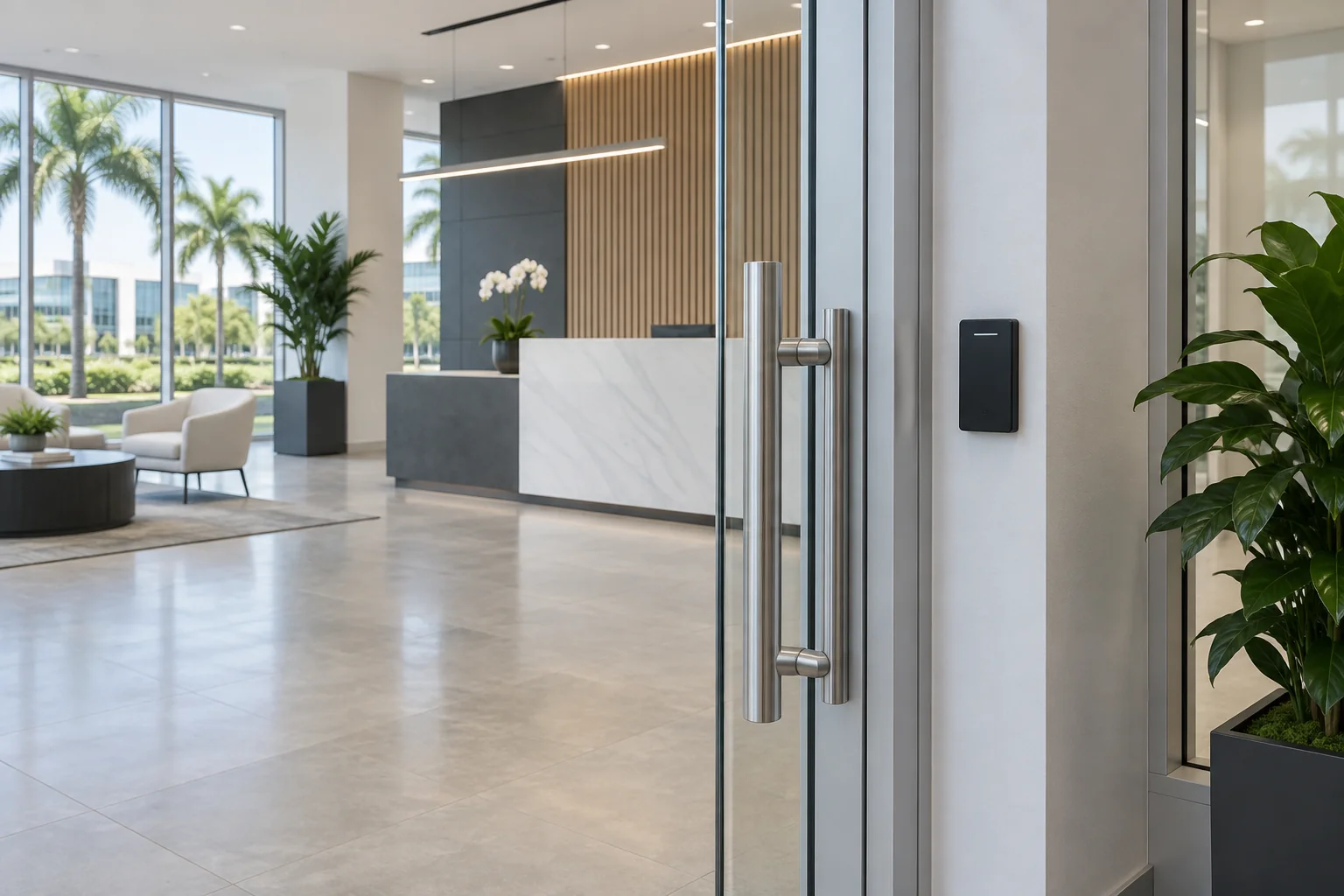
Looks are a legitimate part of the decision. Brass tones suit traditional homes, painted wood doors and warm color palettes. A good brass finish feels welcoming and familiar. Stainless suits contemporary architecture, glass fronted entries and modern commercial buildings. It reads as clean and architectural, and it pairs well with matte black or aluminum framed doors.
Consider the other metals around the door as well. Hinges, house numbers, light fixtures and mailbox hardware all share the same view. Mismatched finishes can look accidental, but intentional contrasts, such as dark hinges with silver handles, can look very sharp. Many homeowners pick one metal tone for the whole entry and carry it through consistently.
Finishes also differ in upkeep. Polished surfaces show fingerprints and water marks more readily, while brushed or satin finishes hide them. In a humid climate, a satin finish often looks fresher for longer between cleanings. Whatever you choose, ask to see the actual finish rather than relying on a photo, because colors on screens and in showrooms rarely match the way they look in direct Florida sunlight.
Sunlight deserves a mention on its own. Strong sun heats dark finishes and can fade some coatings over time, and a surface that gets hot to the touch is also hard on any lacquer. A door that faces west and takes the afternoon glare will punish a delicate finish sooner than a shaded entry will. Choose accordingly, or plan on touch ups.
Corrosion resistance in practice
For a door that faces the water, sees wind driven spray or sits in a courtyard that stays damp, stainless generally has the edge. Its self healing surface fights off the staining that attacks brass finishes, and it is less dependent on a coating that can wear through. For doors set back from the coast and well sheltered, quality brass with an intact finish can perform well for a long time.
Mechanism matters as much as the surface. Even a stainless handle can hide an internal part made of a different metal that corrodes. When two different metals touch in a damp salty environment, one can attack the other through a process called galvanic corrosion. This is why mixing hardware from different sources, or using the wrong screws, can cause surprises. Screws, springs and latch bodies deserve attention too.
So the question to ask is not only what the handle is made of but what the whole assembly is made of. A solid stainless exterior with weak internal components may fail from within, while a well made brass lock with sealed internals can run smoothly. The smart locks in Miami humidity page raises the same concern for electronic locks, where moisture can reach more than just metal.
Wear, strength and the moving parts
Corrosion is one way hardware fails. Wear is another. Brass is relatively soft, which is exactly why it pairs well with steel keys inside a cylinder: it wears slowly and evenly. Key cuts glide smoothly through brass pins, and a brass plug can stay comfortable to use for years. Soft metal can be an advantage in the right place.
Stainless is harder and strong, which is useful for exposed parts that take abuse. Strike plates, bolts and latch faces made of stainless resist denting and gouging. Hard metals can cause more wear on a mating part, however, so a well designed lock balances the materials used for each job. Look for a manufacturer that explains what each component is made of.
Strength also depends on thickness and design, not only on the metal. A thin stainless cover plate is not necessarily tougher than a thick brass one. The lock grades guide explains how locks are graded by performance, which tells you more than the metal name alone. Treat the metal as one clue and the construction as another.
Weight can be a surprisingly honest guide. Solid hardware feels dense and does not flex when you press on it. Light, hollow pieces tend to dent, loosen and rattle. When you are comparing two similar handles, pick them both up, press on the lever and test how smoothly the spring returns it. Those few seconds of testing say more than a glossy picture.
Care and cleaning habits that help either metal
No metal looks after itself in coastal air. The most helpful habit is simple: rinse exterior hardware with fresh water now and then to wash off salt before it settles in, and dry it with a soft cloth. After a storm that blows spray against the door, a short wipe is worth the effort. Avoid abrasive pads and harsh cleaners, which scratch finishes and strip protective coatings.
For brass, use mild soap and a soft cloth. Skip aggressive polishes unless the finish is bare brass, because they can remove the lacquer. For stainless, wipe along the grain of a brushed finish rather than across it, and avoid steel wool, which can leave particles that rust and stain the surface.
Do not forget the keyway and moving parts. A small amount of the right lubricant, applied sparingly, helps a cylinder keep turning smoothly, while the wrong product can attract grit and gum up the mechanism. A technician can recommend what to use, and the lock lubrication and maintenance page describes what a service visit covers. A lock maintenance calendar can turn these small chores into a routine.
Matching the metal to the door
Think about where the door is, not just what it looks like. A front door under a deep covered porch, facing away from the coast, is a gentle environment. An oceanfront balcony slider, a marina gate or a courtyard door beside a pool is not. For the harsh locations, stainless or hardware specifically built for marine exposure is usually the safer pick. For gentle locations, either metal can do the job.
Think about who uses the door too. A busy entrance that gets constant hand contact will wear finishes sooner. Rental properties where tenants are not careful with cleaning may do better with a tougher, simpler finish. A private home where the owner enjoys polishing brass may happily accept more upkeep for the sake of warmth and tradition.
Gates and outbuildings deserve their own thought. Side gates, pool fences and utility sheds often take the roughest weather and the least maintenance. Hardware there pays back stainless or heavily protected finishes more than any other spot. See the padlock and gate lock service page for how those exposed locks are handled.
Where the two metals meet: mixed hardware
Most real doors use a mix. The visible handle might be stainless while the cylinder inside is brass. A deadbolt might have a stainless faceplate and a steel bolt. This is normal and perfectly workable, provided the combination is designed to coexist. Trouble begins when random parts are swapped without regard for how they interact.
If you are replacing only part of a set, bring the old pieces or exact model details so the replacement matches in finish and metal. A new bright piece next to old weathered ones can look odd, and if the metals differ, they may age at different rates. Sometimes replacing the whole set is the more tidy and durable answer.
For existing locks that already show wear, it may be worth deciding whether to refinish, rekey or replace. A cylinder that is stiff because of corrosion may need service or a swap, while a handle with cosmetic damage may only need replacement. The comparison of rekeying versus a new lock set helps you weigh those options.
Practical questions to ask before you buy
Bring a short list to the call or the visit. Ask what metals make up the exterior, the internal parts and the screws. Ask whether the finish is plated, coated or solid, and what the manufacturer says about coastal use. Ask how the door will be sealed where the hardware passes through it, since moisture creeping in around the edges is a common starting point for trouble.
Be clear about your door as well. Tell the technician if it is exposed to spray, whether it is metal, wood or glass, and how often it is used. Mention any past problems, such as green stains, stiff keys or flaking finishes. Those clues help narrow down the right hardware. The price is explained before work starts, so you can compare options with real information.
Finally, remember that the door and frame do their part. Even the finest metal on a swollen, misaligned door will bind and wear. If your door sticks in humid weather, see door sticks in humid weather before blaming the lock. Combined with sound hardware, a well fitted door gives the metal the easiest possible job.
Last, plan for the future. Hardware that matches your door today may need to be replaced in a few years, and it helps to note the make, model and finish now. Take a photo of the label or the back of the lock when it is installed, and keep it with your other household records. When the day comes to replace a part, that small note saves guesswork and helps a technician bring the right piece.
Common questions
Is stainless always better than brass near the ocean?
Usually it resists coastal weather with less effort, but it is not always better. Quality brass with a sound protective finish can perform well on a sheltered door, and brass is the standard metal inside many cylinders. The right answer depends on exposure, appearance, upkeep and the grade of stainless used.
Why does my brass handle turn dark or green?
Brass naturally oxidizes, and salty humid air accelerates it. Once the protective coating wears through, the exposed metal reacts with moisture and air, producing dark or greenish tones. Gentle cleaning can help, but if the finish is flaking, replacing the handle or having it professionally refinished may be the neater fix.
Can stainless steel still rust?
Yes, in certain conditions. Stainless resists rust because of a thin protective layer, but heavy salt exposure, scratches that hold moisture, or lower grade alloys can lead to staining. Rinsing with fresh water and drying it keeps it looking sharp. Ask about grades intended for coastal use if the door is near the water.
Do I need to replace the cylinder if the handle corrodes?
Not necessarily. Handles and cylinders can be separate parts, and one can fail while the other stays sound. Still, corrosion on the outside often means moisture is reaching the inside. A technician can check how the key turns and tell you whether the cylinder needs service, rekeying or replacement.
What cleaning products should I avoid?
Avoid abrasive pads, steel wool and harsh chemical cleaners, which scratch finishes and strip coatings on both metals. Mild soap, fresh water and a soft cloth are usually enough. For moving parts, ask a locksmith which lubricant suits your lock, since the wrong product can attract grit.
Will mixing brass and stainless parts cause problems?
It can if the pieces are not designed to work together. Different metals touching in damp, salty conditions can corrode sooner through galvanic action. Many factory sets combine metals safely by design. When replacing only part of a set, match the exact model or ask a technician to confirm compatibility.