 Home Advisor Locksmith
Lock maintenance in a humid, salty climate like Miami Dade
Locks do not fail all at once. Humidity, salt air and daily use wear them slowly, and a little care at the right time keeps keys turning smoothly for years. Here is what helps.
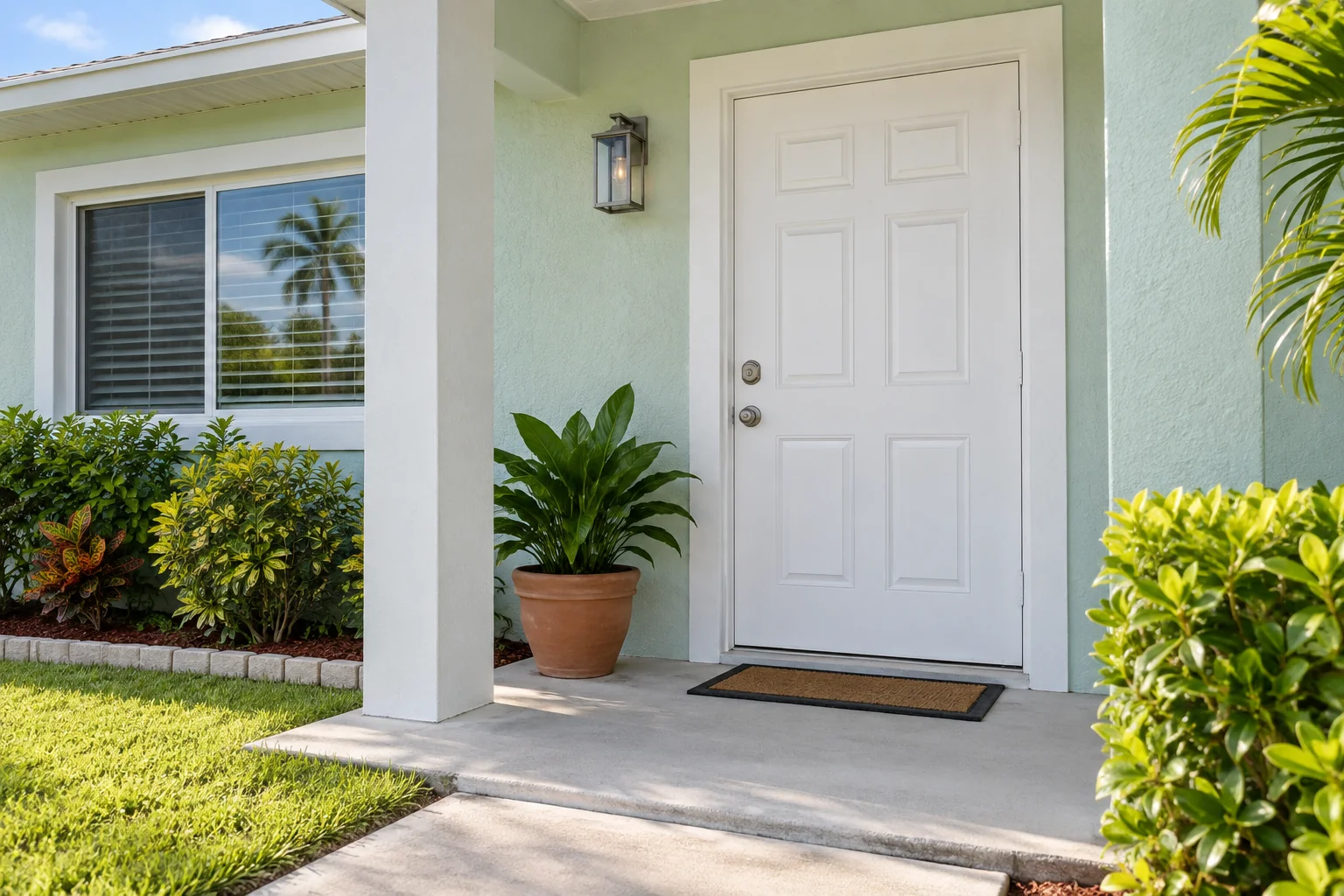
What humidity and salt do to a lock
A lock is a small machine made of brass, steel, zinc and springs, and it works only if those parts move freely. In a place where the air is often damp, moisture settles on metal, mixes with dust and slowly changes the surface. Brass tarnishes, steel rusts, and zinc parts develop a powdery crust. None of this happens overnight, but over a few wet seasons it adds friction.
Near the water, salt speeds the process up. Tiny salt particles ride the breeze, land on door hardware and hold moisture against the metal. Cylinders on exposed front doors, gates and patio entries often show the effects first, with a key that grows stiff, a bolt that drags or a handle that squeaks. Inland homes are not immune, but coastal ones usually see trouble earlier.
Heat plays its part as well. A door in direct afternoon sun can get hot enough to expand its parts slightly, and cool at night, which keeps parts moving against each other. Combined with moisture, this cycle can loosen screws and shift alignment. Understanding these forces helps you notice small changes early. Our guide to salt air and lock corrosion goes deeper on the coastal side.
Daily habits matter as much as the weather. A door used a few times a day by a household behaves differently from a shop door used hundreds of times, and a gate that is slammed shuts wears sooner than one that is closed gently. Dust from construction nearby, pollen, sand tracked in on shoes and cleaning products sprayed near the door all add to the load. Maintenance is simply the habit of keeping those influences from piling up where you cannot see them.
Signs a lock is asking for attention
Locks give notice before they fail. The most common sign is a key that takes more effort to insert or turn. Another is a bolt that moves slowly or catches before it fully extends. A handle that feels gritty or sticks in one position is another clue. A latch that no longer clicks crisply may need cleaning or adjusting.
Look for visible hints too. Green or white crust on brass, orange stains on steel, and pitting on a faceplate all say that moisture has reached the metal. If the finish has worn off in the areas you touch most, the base metal is exposed and corrosion will advance more readily. Screws that look rusty or are leaking brown streaks onto the door deserve a closer look.
Do not ignore a key that has begun to stick and then works again after wiggling. That behavior is a warning, not a fix. A stiff cylinder puts extra stress on the key and the pins, and a worn key can break inside the lock at the worst moment. For what happens then, see broken key extraction, and treat stiffness as a reason to act before it gets that far.
- A key that feels stiff, gritty or needs a jiggle to turn.
- A bolt that moves slowly or does not extend fully.
- A door that needs a push or lift before the lock will work.
- Rust, crust or pitting on the faceplate, strike or screws.
- A handle that sticks, squeaks or does not return to level.
Lubrication: what helps and what harms
Lubrication is the part of maintenance most people think of first, and it is also where well meaning owners do the most harm. Heavy oils and general purpose sprays can feel like a fix, but they often attract dust and lint, which mix with the oil into a sticky paste. In the narrow channels of a pin tumbler cylinder, that paste slows the pins and makes the problem worse a few weeks later.
Products designed for locks, usually dry or very light lubricants, are meant to coat the moving parts without becoming gummy. Even those should be used sparingly, in small amounts, and ideally by someone who knows where they belong. A technician understands which products suit a given cylinder, the finish on a latch and the environment around the door, and avoids putting anything where it should not go.
Remember that the key side is only one part of the story. The bolt, latch and strike need attention too, and they are lubricated differently from the cylinder. Some parts should stay dry, and some need a touch of grease. If you are unsure, ask when you call, and do not spray anything into a lock you do not understand. For how a cylinder works inside, our guide on how pin tumbler locks work shows why.
Simple habits you can do yourself
Some upkeep needs no tools. Wipe handles, keypads and faceplates with a soft cloth once in a while, especially after storms and on coastal properties. Check that screws are snug, because loose hardware makes locks work against themselves. Open and close the door slowly and listen for rubbing, which suggests alignment trouble.
Keep keys clean and straight. A key with worn teeth or a slight bend wears the lock as it goes. Use your main key sparingly and keep a good spare, so that no single copy gets all the wear. If a key is obviously worn, have a fresh one cut from the original code or a good master copy and not from a worn duplicate. Our page on key duplication explains why copies of copies drift.
Test your locks at the same time each season, perhaps when you change smoke alarm batteries or before hurricane season. Try every door and window, including the ones you rarely use. A seldom used lock can seize from neglect, and finding out on a calm day is far better than during a storm. A schedule like the one in our lock maintenance calendar makes this routine.
Windows and sliding doors belong on the same list. Their latches are small and sit low or high where dust collects, and the tracks they slide in fill with grit. Clearing a track with a soft brush and checking that the latch catches fully takes a minute. If a latch is loose or bent, it will not hold when it is needed, and it is a good item to mention on your next service call.
Door, frame and hinge checks
A lock can only work as well as the door it sits in. In humid weather wooden doors swell and metal doors can shift, which changes how the bolt meets the strike plate. If you find yourself pushing, lifting or slamming a door to lock it, the lock is being asked to compensate for the door.
Check the hinges. Loose screws, worn pins or a sagging door change the whole alignment. Tighten visible screws with a hand screwdriver, and if the holes are stripped, a technician can fix them with longer screws or other methods. Look at the gap between the door and frame: it should be even all around. A narrow gap on one side points to a door that has dropped.
Look at the strike plate as well. The bolt should slide into its hole cleanly, with room to spare and no scraping. If the strike is out of position, the bolt rubs, wears and eventually sticks. Adjusting a strike is a small job that makes a big difference, and it is often the real cure for locks that seem to fight you. See door frame and strike plate security for more.
Weatherstripping and thresholds matter here too. Seals that have flattened or peeled let more moisture reach the lock side of the door, and a door that scrapes the threshold in damp weather is a door that will fight its own lock. Replacing worn seals and keeping the bottom edge of the door sealed against water is part of lock care, even though it is not strictly a locksmith job. Mention what you notice and the technician can help you decide what to handle first.
Different locks, different needs
Not all locks age the same way. A basic knob set, a deadbolt, a handleset, a padlock and a smart lock each have their own weak points. Deadbolts with a long throw often show trouble in the bolt and strike. Handlesets show it in the lever springs. Padlocks left outdoors face the most direct exposure, and their shackles and cylinders can seize.
Padlocks and gate locks deserve special mention. They sit in the weather all year and see constant dampness and dirt. If a gate lock is stiff, a fresh rinse of dirt and a suitable product may help, but a seized padlock may need replacing. Our page on padlock and gate lock service goes further.
Smart locks add electronics to the mechanical parts, and moisture can reach both. Check batteries on schedule, keep the faceplate clean and make sure the backup key cylinder still turns. If your lock is a smart one, read smart deadbolt setup and troubleshooting alongside this page.
Mailboxes, storage cabinets and garage side doors are the locks people forget. They get used rarely and neglected for long stretches, which in a damp climate is a recipe for seizing. Give them a turn with the key at each seasonal check, even if you do not need to open them. A lock that is exercised regularly stays clear of the crust that forms when parts sit still for months.
What a maintenance visit actually covers
A maintenance visit is more than a squirt from a can. The technician starts by operating each lock the way you do, with the key, the handle and the door open and closed, and listens and feels for roughness. That first test shows which locks are healthy and which need work, and it saves effort by pointing straight at the real problem.
Next comes the hands on part. Depending on what is found, the technician may clean the cylinder, treat the bolt and latch with a suitable product, tighten screws, adjust the strike, and check the hinges. Worn parts that cannot be restored are identified, and the price of replacing them is explained before anything is changed. You decide what to do, and nothing is done without your agreement.
Finally the work is checked with you. You turn each key, try each handle and see that the door closes and locks without a struggle. If you have several doors, you may agree on a priority list so the most important ones come first. Many owners find that a single visit once a year, timed before the stormy season, is enough to head off most trouble.
Hurricane season preparation
Before a storm, walk the property and test each lock. Try the keys, confirm the doors close fully, and make sure shutters and storm panels can be installed without a struggle. If a door is hard to lock now, it will be harder when you are in a hurry or when wind pushes against it.
After a storm, test again. Wind driven rain can carry salt and grit into cylinders, and flooding can leave residue. If a lock was submerged or soaked, it may need cleaning or replacement. Do not force a lock that has become stiff after a storm. Forcing can bend parts and turn a small service call into a larger one.
Have your keys organized and a spare accessible somewhere other than inside the house. Keep batteries ready for smart locks, and know how to reach someone for help. Our hurricane season lock and door checks lists what to look at before and after the weather.
When to call a technician
Call when a lock is stiff in a way that wiping, tightening screws and checking alignment do not cure. Call when the key turns but the bolt does not move, or when the bolt moves but the door will not open. Call when you see rust or crust on the inside of the cylinder or when parts feel rough rather than smooth.
A visit begins with your description of the problem and the lock, and the price is explained before the truck rolls. The technician comes to you, examines the lock, the door and the strike, and decides whether cleaning, adjustment, rekeying or replacement is right. You are told the options plainly, and the work is checked with you before the visit closes.
Sometimes the answer is a simple service: cleaning the cylinder, treating the latch, tightening hardware and adjusting the strike. Sometimes the lock is worn out and replacement is wiser than another repair. Either way, you get a clear explanation so you can choose. For the choice between keeping and replacing, rekey versus replace locks is a useful guide.
Keeping a simple maintenance routine
A routine does not have to be elaborate. Choose two or three times a year to check your locks, perhaps at the start of the wet season, before storm season and after the holidays. Write down what you did and what you noticed. A note such as the front deadbolt was stiff in July tells a technician a lot later on.
Pair your routine with a spare key check. Make sure spare keys still work, that they have not been worn by overuse, and that you know where they are. Replace any that are bent or smooth. A key that turns easily in a clean lock is the clearest sign that maintenance is working, and the opposite is a warning to act sooner.
If you manage several doors, assign the job to one person and write down the schedule. For rental properties and offices, regular maintenance prevents emergencies and gives tenants confidence. If you want help planning, a technician can look over the property and explain what each door needs. Related reading includes a door that sticks in humid weather and a frozen or seized lock.
Finally, teach everyone in the household or business the same habits. Close doors gently, do not force a key that resists, and report stiffness early instead of working around it. Children and visitors often learn the quirks of a door and pass them along, and a quirk that everyone tolerates is a problem nobody fixes. A short word at the right moment keeps small issues from growing.
Common questions
Can I spray oil into a sticky lock?
It is better not to. Heavy oils and general purpose sprays attract dust and can form a sticky paste inside the cylinder, which often makes things worse within weeks. Products made for locks, used sparingly, are a safer choice. If the lock stays stiff, a technician can clean and treat it properly.
How often should I check my locks in Miami Dade?
Two or three times a year is a sensible habit, for example at the start of the wet season, before hurricane season and after major storms. Coastal properties and exposed doors may benefit from more frequent checks. Keep brief notes so you can spot changes over time.
Why does my key stick more in summer?
Heat and humidity both play a part. Moisture builds up in the cylinder, parts expand with the heat, and wooden doors swell, which can throw the bolt out of line with the strike. A cleaning and an alignment check often help. If it keeps happening, mention the pattern when you call.
Does salt air really damage locks that much?
Over time, yes. Salt holds moisture against metal and speeds up corrosion, which shows first on exposed cylinders, strikes and screws. Cleaning with a soft cloth, choosing suitable finishes and fixing small problems early all help hardware last longer near the coast.
Should I replace a stiff lock or maintain it?
It depends on its condition. Many stiff locks respond well to cleaning, adjustment and a tighter strike. If the lock is badly corroded, worn or damaged, replacement may be wiser. A technician can check it and explain the options and the price before any work starts.
What should I tell the technician when I call about a sticking lock?
Describe what the key or handle does, when it started and whether it changes with the weather. Mention the type of lock if you know it, whether the door has shifted, and whether anything was sprayed in the lock. That helps the technician bring the right tools and parts.