 Home Advisor Locksmith
Locksmith Insight for South Miami Homes and Small Businesses
Understanding how a lock works makes every call easier. This general guide for South Miami explains cylinders, grades, smart lock power and transponder keys in plain words, with Miami Dade weather in mind.
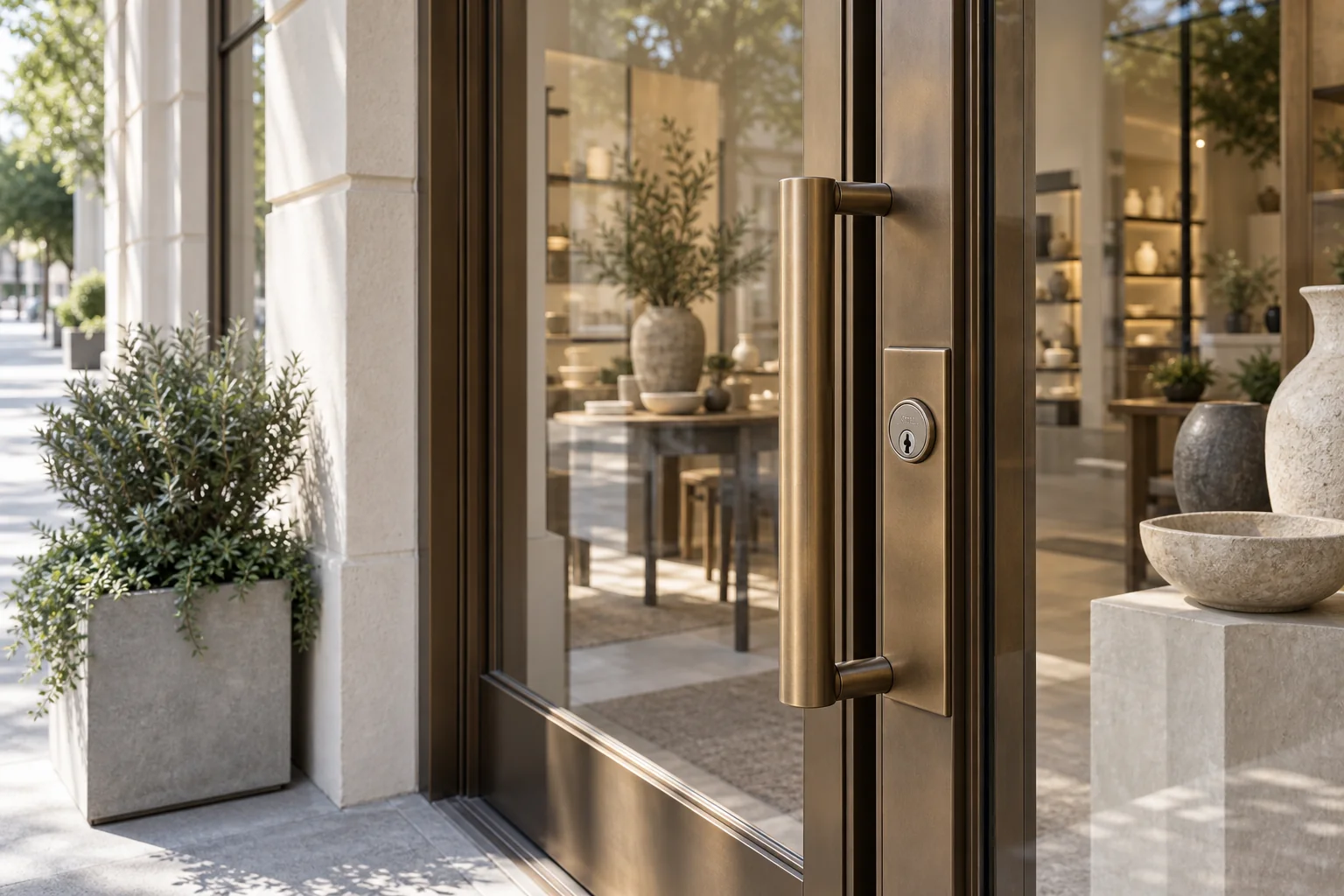
Understanding your lock before you need help
Most people meet their locks only when something goes wrong, which is the worst time to learn how they work. This page takes a different approach. It is general guidance for people in South Miami who would like to understand what is behind the keyhole, so that a future call is calm and informed. It makes no claims about particular streets or buildings, and it does not say the company has worked at any given address.
Home Advisor Locksmith is a mobile, locally owned locksmith serving every ZIP in Miami Dade. A real person answers the phone, the price is explained before the truck rolls, and the technician comes to your door, car or shop. The work is checked with you before the visit closes. Knowing a little about the hardware helps you follow what the technician explains, and it helps you ask the right questions.
None of this will turn you into a locksmith, and it is not meant to. Locks are precision devices, and the safest way to work on one is to leave it to a trained technician. What follows is a map of the territory: the parts, the common failures, and the choices you face when you replace or upgrade something. Use it as a reference whenever your lock is behaving strangely.
Inside a pin tumbler cylinder, in plain words
Most household locks use a pin tumbler cylinder. Inside is a round plug that turns when the correct key is inserted. Above the plug sit small spring loaded stacks of pins. When there is no key, the pins cross the boundary between the plug and the housing and stop the plug from turning. The correct key raises each stack to exactly the right height, creating a clean line between the plug and the housing.
That clean line is called the shear line. When every pin stack lines up on it, the plug turns freely, and the bolt or latch moves. If even one stack sits too high or too low, the plug stays blocked. The cuts on a key are simply a code for the heights of the pins, which is why a key that is worn or filed incorrectly may stop working.
This design explains many common symptoms. A key that feels rough may carry a worn cut or a lock with grit among the pins. A lock that works with one key and not another points to the key. A lock that works only when the key is held at an angle suggests wear in the pins or the plug. Our guide to how pin tumbler locks work goes deeper, and nothing in it is a guide to defeating a lock.
A few more terms are useful. The keyway is the shaped opening where the key enters, and its profile decides which blanks fit. The bolt is the metal bar that slides into the frame, and the latch is the spring loaded tongue that holds a closed door shut. The strike plate is the metal piece on the frame that receives them. Naming these parts on the phone helps the technician picture your door before arriving.
Why a key stops working: wear, dirt and damage
Keys and cylinders wear together. Every insertion rubs metal against metal, and over years the cuts round off and the pins develop tiny grooves. In a humid climate, moisture and fine dust combine into a paste that thickens inside the keyway. A key that glided last year may now drag, and the temptation is to push harder, which only increases the wear.
Three habits protect both the key and the lock. Keep keys clean and straight, never use a bent key, and never force a stiff lock. If a key must be wiggled to work, replace it with a fresh cut from a good source before it breaks. A broken key in a cylinder is a more complicated job than a replacement, and it often happens right after a stubborn moment of forcing.
Lubricant needs care. Heavy oils attract grit and make things worse over time, while a suitable dry lubricant intended for locks keeps the pins moving. If you are not sure what to use, ask the technician. Our page on lock lubrication and maintenance explains what is typically done, and what is better left alone.
When a key does break, the details matter. Note how much of the key is visible, whether the piece is flush with the face of the lock or sticking out, and whether the key was already cracked. A technician has thin extraction tools and can usually remove the piece without harming the cylinder, but poking with a pin or a knife can push the fragment deeper and add damage. Stop, keep the remaining half of the key, and call.
Lock grades and what they tell you
Locks are graded according to standards that measure how well they resist force, how many cycles they survive and how strong their parts are. A higher grade generally means thicker metal, stronger bolts and a mechanism built for heavier use. Lower grades suit light duty and lower risk, and they may be perfectly acceptable for an interior door that only needs privacy.
The grade of the lock is not the only factor, but it is a useful clue. A bolt that extends a good distance into the frame, a strike plate with long screws and a hardened cylinder all add to real strength. By contrast, a handsome finish says nothing about what is inside. Ask the technician to explain the grade and construction of any lock you are considering.
Think about the door's role. A front door, a door to the garage and a door to a storeroom with valuable equipment deserve stronger hardware than a bedroom door. Read our guide to understanding lock grades for a clear explanation, and remember that a higher grade installed in a weak frame yields less benefit than you might expect.
Humid, salty air adds a wrinkle to grading. Two locks of equal grade can age very differently if one has a finish built for weather and the other does not. A solid brass or stainless body, a sealed keyway cover and a well made finish all help a lock hold up. Ask about corrosion resistance when you shop, especially for a door that faces open air or sits near the coast.
- The shear line is the boundary where the pins must line up for the plug to turn.
- A higher grade usually means thicker metal and parts built for heavier use.
- The strike plate and frame matter as much as the lock body.
- A key that needs wiggling is telling you it should be replaced.
Smart locks: three things that go wrong
A smart lock combines a mechanical bolt with an electronic controller, and most problems come from the electronics rather than the bolt. The three usual suspects are power, connection and alignment. Power means the batteries. Connection means the link to your phone, a hub or a home network. Alignment means whether the bolt moves freely when the door is closed, since a bolt that drags will strain the motor.
Power problems show up as slow response, repeated beeping, a keypad that lights dimly or a lock that works only sometimes. Connection problems show up as an app that cannot reach the lock, delayed commands or codes that fail to sync. Alignment problems show up as a motor that whirs without finishing the throw, or a lock that jams when the door is slightly open.
Troubleshooting begins with the simple steps. Replace the batteries with fresh ones, test the lock with the door open to see whether the bolt moves freely, and check whether the lock works from the keypad even if the app does not. Our page on battery and power problems in smart locks explains the details, and the technician can check the rest.
Batteries, connectivity and the manual override
A smart lock should never be your only way into the home. Nearly all models include a mechanical key, a physical override or a way to give emergency power from outside. Know where yours is. Many people install a smart lock, forget about the override, and then discover during a dead battery that they have no plan.
Put the override key somewhere that is not the lock itself, such as with a trusted person or in a secure place outside the home. Write the date of the last battery change on a card, and replace the batteries on a calendar, not on warnings. In a humid climate, check the battery compartment for corrosion, and use good quality batteries recommended by the manufacturer.
For connectivity, consider what happens if your internet fails. Some locks keep working by keypad or key, while others lose features. Understand how your model behaves. Our guide to how keyless entry works describes the basic types, and the overview of smart lock security basics covers habits such as strong passwords and removing old users.
Think about firmware updates and phone changes too. When you replace a phone, move to a new network or change your router, a connected lock may need to be paired again. Do this while you are inside the house with the door open, never while standing outside with the door closed. A short test run with the door open and a spare key in your pocket removes most of the risk.
Choosing between convenience and simplicity
Every lock choice trades something. A mechanical deadbolt is simple, has no batteries and rarely fails in strange ways, but it needs a key, and keys get lost. An electronic lock offers codes and sometimes remote control, but it depends on power and software. Neither is right for everyone, and the right choice depends on who uses the door and how.
Ask yourself a few questions. How many people use this door, and how often do they change? Does anyone struggle with small keys? Would you use the extra features or ignore them? What happens if the electronics fail? A household that values simplicity may choose a good mechanical lock and a lockbox for emergencies. A busy household may prefer a keypad with a mechanical backup.
Our comparison of mechanical and electronic locks sets out the trade offs in more detail. Whatever you pick, buy from a source that explains the installation requirements, and have the lock fitted and tested with you. A smart lock fitted to a door that sticks will fail early, no matter how good the electronics are.
Installation quality decides much of the result. The bolt must align with the strike without rubbing, the door should close without slamming, and the lock should be mounted firmly to a sound door. A technician who fits the lock will check these points, test the codes with you, and show you the override. If your door has shifted with humidity, ask for an adjustment first, so the new lock starts in good conditions.
Transponder keys and why programming exists
Many car keys contain a tiny chip called a transponder. When you turn the key or press the start button, the car sends a signal and the chip answers with a code. If the code matches, the engine control system permits the engine to start. This design makes theft harder, since a copy that is merely cut will not start the car.
That is why a replacement car key is more than a simple copy. The key blade must be cut to match the lock, and the chip must be programmed to match the vehicle. Some vehicles need special equipment and information, and proof of ownership is required before a technician makes a new key. Bring registration or title and identification.
Smart keys, which let you start the car with the key in a pocket, are a further step. They rely on radio signals and batteries, and they can be sensitive to dropped, wet or worn fobs. Our comparison of transponder keys and smart keys explains the differences. If a child or a pet is locked in a hot car, call emergency services first, then arrange for the key work.
Gates, garages and the other locks outside
Not all locks hang on front doors. Many properties have gates, sheds, storage cages and outbuildings, each with its own padlock or latch. These are exposed to sun, rain and humid air, and they often receive less care than the main entry. A padlock with a thin shackle or a poor finish will seize or yield sooner than you would like.
When an outdoor lock sticks, resist the urge to force it or to apply heavy grease. Clean the keyway gently, apply a suitable lubricant sparingly, and test the key. If the lock still does not turn, describe what you see to the dispatcher. Our page on a jammed gate lock explains the usual causes and the information that helps the technician.
The nearby general guides for Pinecrest and Coral Gables offer further reading if you move between places. For shared gates, ask your association or building manager which party is responsible for the lock, since requirements vary and a change you make on your own may conflict with the rules of the community.
How to describe a problem like a professional
With some knowledge in hand, you can describe a lock problem in a way that helps. Start with the type of lock and door, and the exact symptom. Say whether the key goes in, whether it turns, whether the bolt moves and what you hear. Mention any recent events, such as rain, painting, a drop or a repair, because these often explain the problem.
State what you have tried, including cleaning, lubricating or replacing batteries. Mention whether the problem occurs every time or only sometimes, and whether it affects one key or all of them. For an electronic lock, say what the lights or beeps are doing. For a car, give the make, model, year and the type of key.
Finally, be ready for the identification step. The technician will want to confirm that you have the right to open the door or make the key. After the work, test everything with the technician and ask what was done. For any quote, our guide to understanding a locksmith estimate explains what a good explanation looks like before work begins.
Common questions
What is a shear line?
The shear line is the boundary between the rotating plug and the outer housing of a pin tumbler cylinder. When the correct key lifts every pin stack to the right height, the pins line up at that boundary and the plug can turn. If any stack is wrong, the plug stays blocked.
Why does my key need wiggling to work?
A key that needs wiggling is usually worn, bent or a copy of a copy, or the cylinder has worn pins or built up grit. Try a spare key to see which is at fault. Replace a worn key before it breaks, and avoid heavy oils, which attract more dirt.
What does lock grade mean?
Grades are standard ratings of how well a lock resists force and how long it lasts under repeated use. Higher grades generally use thicker metal and stronger parts. They are a useful clue, but the frame and strike plate matter just as much. Ask the technician to explain what is inside any lock you are considering.
What should I do first when a smart lock acts strangely?
Replace the batteries with fresh ones, then test whether the bolt moves freely with the door open. Check whether the keypad works even if the app does not. Keep the mechanical key or override handy. If problems continue, describe the lights, beeps and symptoms to the technician.
Why does a new car key need programming?
Many vehicles use a transponder chip in the key that the engine system must recognize before it allows the engine to start. A key that is only cut may open the door and still fail to start the car. Programming pairs the chip with the vehicle, and ownership proof is required.
Is it safe to force a stiff outdoor padlock?
Forcing it risks breaking the key inside or damaging the lock. Clean the keyway gently, apply a suitable lock lubricant sparingly and try again. If it still sticks, describe the problem to the dispatcher. A technician can release the lock or replace it with a model made for weather exposure.