 Home Advisor Locksmith
Locksmith Advice for Miami Springs Homes and Shops
Older doors, long used keys and humid weather shape most lock problems. This general guide for Miami Springs explains how to read your own hardware, decide between repair and replacement, and describe a problem clearly on the phone.
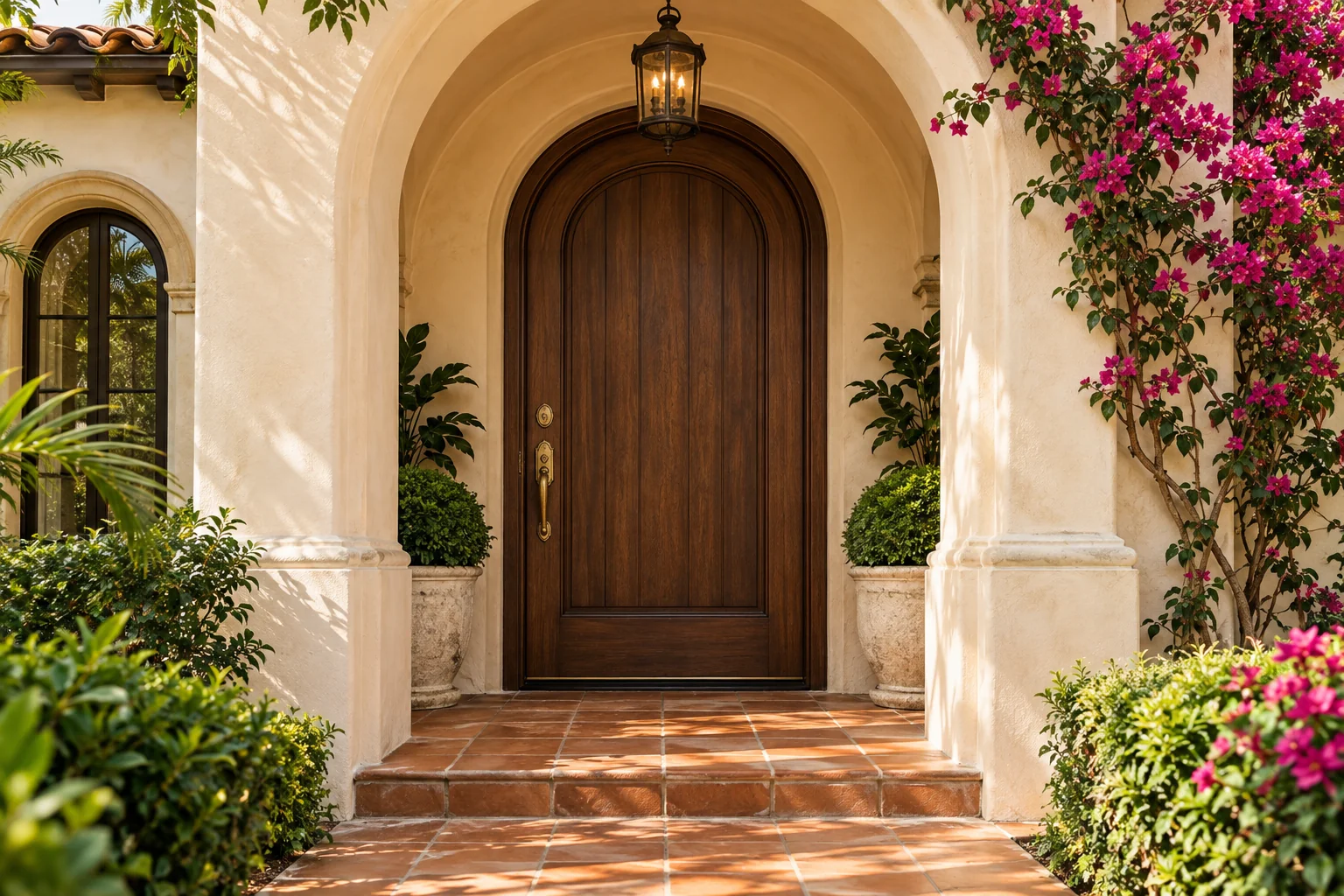
Older homes and the hardware that stayed behind
Across Miami Dade, a mix of older and newer homes means that many front doors carry hardware chosen long before the current owner arrived. This page is general guidance, and it does not claim anything about particular streets or buildings in Miami Springs. It simply recognizes that wherever homes have been lived in for a long time, locks tend to have a long history too: replaced knobs mixed with original plates, keys copied from copies, and finishes worn to bare metal where hands touch them every day.
That history matters because it affects what a locksmith can do. Some old locks can be rekeyed and kept for many more years, while others use parts that are hard to match and are better replaced entirely. The decision is not about fashion. It is about whether the lock still does its job, whether a sound key fits it, and whether the door and frame around it can hold the lock firmly.
Home Advisor Locksmith is a mobile, locally owned service that covers every ZIP in Miami Dade, so the technician comes to your door and looks at the actual hardware. You describe the situation on the phone to a real person, the price is explained before the truck rolls, and the finished work is checked with you. No amounts are listed here because the right price depends entirely on what is on your door.
Reading your own lock before you call
You do not need technical training to give a technician useful information. Look at the lock for a minute. Is it a round knob, a lever handle, a separate deadbolt above the handle, or a single large body set into the edge of the door? Does the key slide in smoothly, or does it catch? Does the bolt extend fully when you turn the key, or does it stop short?
Those observations point toward causes. A bolt that stops short often means the door has shifted and the bolt is rubbing the frame. A knob that spins without moving the latch suggests a broken internal part. A key that enters but will not turn points to worn pins, a worn key or a dirty cylinder. A key that turns but does not move the bolt can mean a broken connecting piece inside the door.
If you can, note the brand name stamped on the lock face and take a clear photo to describe what you see. Do not take the lock apart unless you know how to put it back together, because a loose spring or pin can disappear in seconds. A lock that feels loose on the door can mean that screws have backed out of soft wood, that the cylinder collar has worked loose from its seat, or that the wood around the bore has crumbled. Tightening a screw is sometimes only a temporary comfort, so tell the technician if the lock wobbles when you turn the handle.
Humid air plays a quiet part in all of this. Wood doors take up moisture and let it go again through the seasons, and the screws that hold a lock slowly loosen as the wood moves. A lock that was solid last winter can feel loose after a damp summer without anything dramatic having happened, and a modest adjustment is often all it needs.
- Note whether the lock is a knob, a lever, a deadbolt or a mortise body in the edge of the door.
- Notice whether the problem happens with every key or only one.
- Watch whether the bolt moves freely when the door is open.
- Photograph the lock face and the edge of the door before the call.
Rekey, repair or replace on an aging door
When a lock is old, three paths open up. You can rekey it so that old keys stop working, repair a specific broken part, or replace the whole unit. Each has a place. Rekeying makes sense when the lock is mechanically sound and the main worry is who holds copies of the key. Repair makes sense when a single part has failed and the rest is healthy. Replacement is wiser when several parts are tired at once.
A fair way to decide is to think about the whole picture. If a lock has been serviced repeatedly and continues to misbehave, the next repair may only buy a short reprieve. If the finish is gone and the bolt is thin or short, upgrading to a sturdier deadbolt improves protection as well as appearance. If the lock is fine but you recently lost a key, rekeying is the measured response.
Our guide to rekeying versus replacing locks goes through the trade offs in plain terms, and the idea of lock grades is worth knowing. Higher grades use thicker bolts, stronger internal parts and sturdier strike hardware, so they resist wear and force better. A technician can place your lock on that scale in a moment once they see it.
Do not let a bargain mindset decide too early. A very low priced lock set may look similar to a stronger one on the shelf while using thinner metal inside. The reverse is also true: an expensive finish says nothing about the strength of the mechanism underneath it. Ask the technician what is inside, not only what it looks like, and decide with the whole door in mind.
Mortise locks and other old style hardware
Some older doors hold a mortise lock, which is a rectangular steel box set into a pocket cut into the edge of the door. It combines the latch, the deadbolt and sometimes the handle mechanism in one body. These locks can last a very long time, and many remain serviceable, but they are less common today, and parts and matching trim may take more effort to source.
If you have one, treat it with respect. Replacing a mortise lock with a modern cylindrical set can require widening or filling the pocket in the door, which changes the door itself. In many cases, rekeying the cylinder or servicing the body is kinder to the door than replacement. A technician who understands the type will help you weigh the options without rushing you.
Other old style items include rim latches that sit on the surface of the door and vertical bolts that engage at the top of the frame. Our comparison of mortise and cylindrical locks explains how they differ in construction and strength. When you call, simply say that the lock appears old and sits in the edge of the door, and the dispatcher will understand what to prepare.
Windows, sliding doors and the other ways in
A strong front door does little if a side window or a sliding glass door is easy to open. Older sliding doors often have a small crescent latch that was never meant to resist force, and the track can accumulate dirt that keeps the door from closing fully. Windows may have latches that have loosened with age or paint that has fused them partly open.
You can improve these entries with simple observation first. Close each window and check that the latch pulls the sash tight. Slide the patio door shut and see whether it seats completely against the frame. Look for loose screws and cracked plastic. These checks do not require tools and often reveal a part that needs replacing before it fails.
A technician can add or upgrade window locks and secondary locks for sliding doors without altering the glass. Read about sliding door and patio lock service to see what is possible, for ideas that fit rentals and owned homes alike, such as a secondary pin or a bar that sits in the track. Because association and building requirements vary, ask your landlord or management before adding anything permanent.
Keys that were copied too many times
A key cut from a key that was cut from another key slowly drifts away from the original dimensions. Each copy introduces a tiny error, and the errors add up. Eventually the copy turns roughly, sticks, or works only if you wiggle it, and the lock gets blamed for a problem the key created. If you notice that one key works smoothly and another is gritty, the gritty key is likely a drifted copy.
The remedy is to cut new keys from a good source. A key code, a key made from the original or a key made from a properly decoded lock all produce accurate results. Technicians can often make a fresh key on site once they confirm that you have the right to do so. For restricted keyways, the process is more controlled, and proof of authorization may be required.
Our guide to key blanks and key codes explains how an accurate key gets made. When you plan to hand out copies, keep a master set in a safe place and make copies only from that set. And if you can no longer account for who has what, treat that as a good reason to rekey instead of collecting more duplicates.
Cars parked outdoors: heat, humidity and key fobs
Cars in South Florida spend a lot of time in heat and sun. Plastic key heads can become brittle, fob batteries can weaken sooner, and rubber buttons can crack or wear smooth. A fob that works intermittently is often telling you something: the battery is low, the contacts are dirty or the case is coming apart.
If your fob stops working, check the simplest things first. Replace the small battery if the manual says you can. Try the spare. See whether the car door still opens with the mechanical key hidden inside the fob. Do not keep pressing buttons many times in a row, because some systems can lose synchronization. Describe exactly what happens and whether the dashboard shows any warning.
Our page on a key fob that stopped working explains the usual reasons. If you have lost the last key, read what to do after losing a car key. Remember that ownership must be shown, so keep your registration or title somewhere other than inside the car. If a child or a pet is locked in a hot vehicle, call emergency services first.
Preparing for storm season without panic
Hurricane season can feel like a distraction from lock care, but the two connect directly. Door frames shift, hinges loosen, and doors that fit loosely can rattle in strong wind. A sturdier door setup includes long screws in the hinge side, a strike plate fastened into the framing and a latch that fully engages. None of this needs to be dramatic.
Make a short list at the start of the season. Test each lock with its key. Make sure that spare keys are somewhere you can reach after a storm, not stored in a flooded garage. Photograph your door hardware for your own records. And keep a copy of important contact information in a place that does not depend on your phone battery.
After a storm, check for damage before you assume a lock is fine. Doors that swelled with moisture may need adjustment, and keyways may have taken in water. Our guide to hurricane season lock and door checks covers a routine you can follow. If a door was damaged by impact or forced open, the page on post break in lock repair describes how a technician approaches the repair.
Shops, family houses and shared keys
A small shop and a multigenerational household have more in common than you might think: both involve many people using the same doors. In both cases, the question is who holds a key, who needs one and how to take access away when circumstances change. Clear habits matter more than expensive hardware.
Keep a simple written list of key holders, even for a family. When someone moves out, a worker leaves or a tenant departs, collect the keys or rekey the lock. Avoid labeling keys with an address, since a lost labeled key tells a finder exactly where to use it. And consider a different key for the spare cabinet or the storeroom than for the front door.
Neighboring pages offer related general guidance if you travel across the area, including Opa locka and West Miami. For a small business, the commercial locksmith page explains the usual services, from door hardware to key systems, so you know what to ask for when the time comes.
What the visit should include before it ends
A complete visit includes more than the immediate fix. Before the technician leaves, you should have watched the problem get resolved, tried each key several times, locked and unlocked from both sides, and opened and closed the door to feel for rubbing or binding. If anything feels odd, say so before the visit closes, because that is the easiest moment to correct it.
Ask what was done and why. A good technician will explain which part was replaced or adjusted, what condition the rest of the lock is in, and whether anything else deserves attention soon. Ask about the spare keys and how many exist now. If the work involved rekeying, ask which doors are included and which are not.
Finally, think about the next step rather than only the current one. A repaired lock on a damaged frame may fail again. A new lock on a loose strike plate is only as strong as its screws. Our page on choosing a locksmith collects the questions worth asking, so you leave the visit feeling informed instead of hurried.
Keep a small note afterward with the date, the doors that were worked on and anything the technician recommended for later. Older homes tend to produce a steady trickle of small lock needs, and a short record helps you notice patterns, such as a particular door that keeps sticking each wet season. That pattern often points to the frame or the hinges instead of the lock.
Common questions
Can an old lock be kept, or should it always be replaced?
Many old locks can be kept if they are mechanically sound. Rekeying changes which keys work without removing the hardware. Replacement is better when several parts are worn, the keyway is unusual, the bolt is short or the finish has failed badly. A technician can inspect the lock on site and explain which route fits your door.
Why does my key work in some locks but feel rough in others?
A rough key is often a drifted copy, cut from another copy over time, or a lock whose pins have worn. Try a spare key to see whether the problem follows the key or stays with the lock. If it follows the key, a fresh cut from a good source usually helps. If it stays with the lock, service may be needed.
Is a mortise lock worth keeping?
Often yes. A mortise lock is a sturdy steel body set into the edge of the door, and many last for decades with service. Replacing one with a modern set may require changing the door itself. Rekeying or servicing is usually gentler on the door. A technician can advise based on its condition and how much you value the original look.
What should I do first if my car fob stops working?
Try the spare, replace the small battery if your manual allows it, and use the mechanical key hidden inside the fob to open the door. Avoid pressing buttons repeatedly. If the car still will not start, describe what you see on the dashboard when you call, along with the vehicle make, model and year.
How should I prepare my doors for hurricane season?
Test every lock with its key, check that latches and bolts line up cleanly with the frame, and look for loose hinge screws or rattling. Keep spare keys where you can reach them after a storm. Photograph your hardware for your records. If a door sticks or a lock grinds, address it before the season gets busy.
Who decides whether a lock change is allowed in a rental or association home?
Your lease, your landlord or your association decides, and rules differ from place to place. Ask in writing before changing any lock, and tell the technician what you learned. Some communities need a copy of the key or code on file. Doing this first prevents delays and disputes after the work is finished.