 Home Advisor Locksmith
Locksmith Support for Construction Sites
A job site changes every week: new doors, new trades, new deliveries. This page explains how temporary locks, gang boxes, trailers and access control fit together, and how a locksmith helps without slowing the schedule.
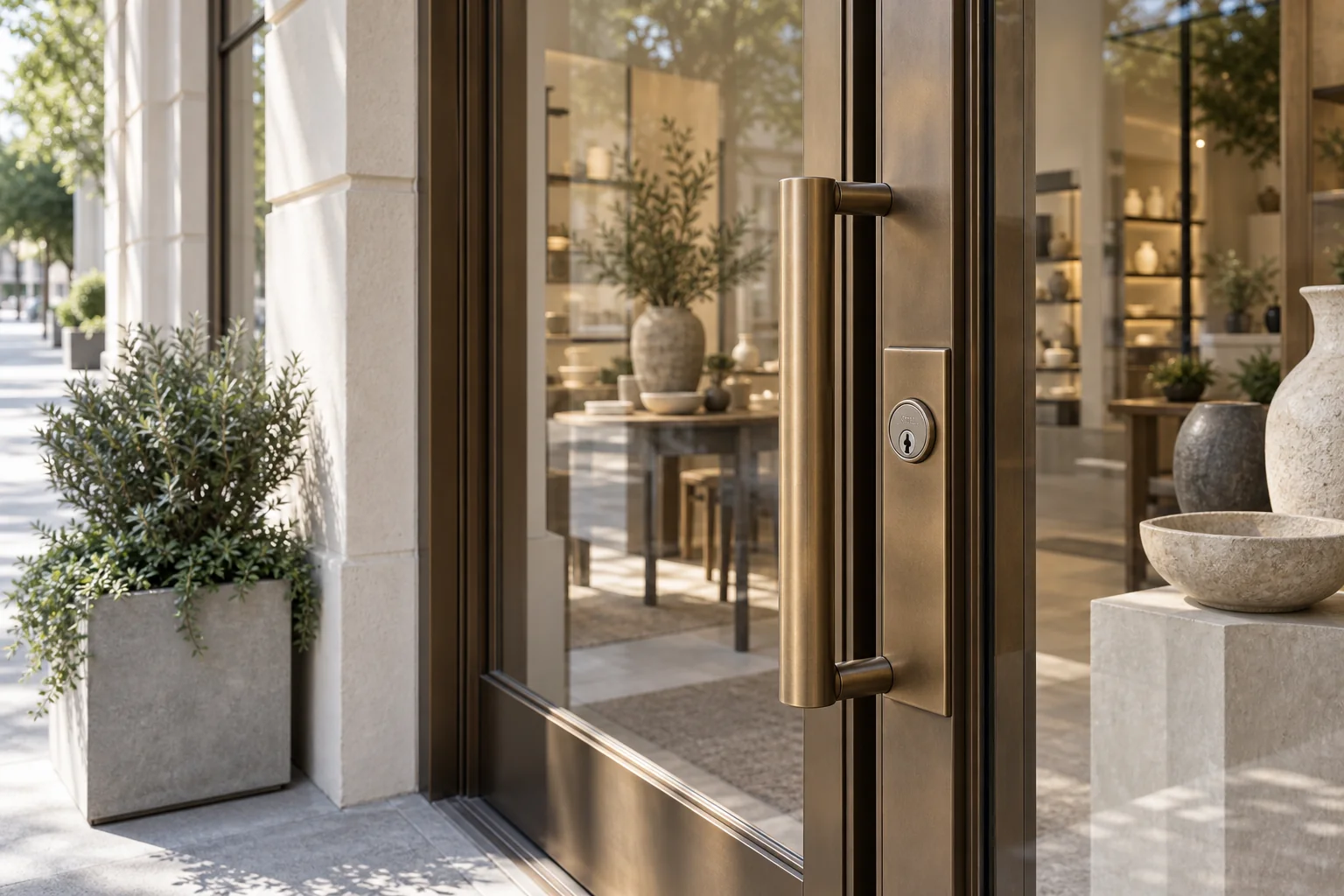
A building site is a moving target
Most buildings stay the same after the day they open. A construction site does not. Walls appear, openings close, stairs arrive, and the doors that will one day be locked finally get hung. Security has to follow that change, which means the plan that works in the first month will not work in the sixth. A superintendent who thinks about locks early has fewer losses and fewer arguments about who had access.
The things worth protecting also change. At the start, it may be equipment, fuel and tools in containers. Later it becomes appliances, fixtures, copper, windows and finished flooring waiting to be installed. Late in the job, the building itself holds valuable material, and the final locks must be installed and keyed in a way that does not leave construction keys active after turnover.
Miami Dade adds its own conditions. Heat, rain and humidity attack padlocks and hasps, hurricane season forces crews to secure or remove loose material, and many sites sit near water where salt is in the air. Home Advisor Locksmith approaches job sites the way it approaches any property: describe the situation and the location, hear the price before work starts, have the technician come to you and check the result together before the visit closes.
Temporary locks and construction keying
Many general contractors use a construction cylinder during the build. This is a temporary lock set, often keyed to a special construction key, that lets trades work while the permanent cylinders sit in boxes. When the building is ready for the owner, the temporary cylinders are removed and the permanent ones go in, with a new key cut that the construction key cannot operate.
The practical advantage is control. The owner is not left with a building that can be opened by dozens of workers who once carried a key. The shared construction key also makes it easy for the superintendent to issue access to a new trade without cutting individual keys. The trade off is that the key must be tracked, because while it is active it opens everything.
Some projects use a keyed alike approach on the site, where all temporary locks share one key. Others stage keys by floor or by area. The comparison of master key and keyed alike setups explains the logic behind each choice, and the page on master key systems describes how permanent hierarchies are planned for the finished building.
Gang boxes, containers and tool storage
Tool storage is where theft usually hits a job site. Gang boxes, job boxes, shipping containers and small sheds hold expensive equipment, and they sit outside where anyone can look at them. A strong box with a weak lock invites trouble, and a strong lock on a weak hasp does the same. The whole assembly matters: the lid or door, the hasp, the fasteners and the lock. Walk around each container and ask which part a person with a crowbar and ten minutes would go after. The answer is usually the hasp, the hinges or the thin sheet metal near the latch, not the padlock itself. Strengthening those weak points often does more than buying a heavier lock.
Hardware that suits a job site is usually heavier than residential hardware. It is exposed to rain and sun, handled by gloved hands and dropped in the dirt. Look for shrouded shackles, corrosion resistant finishes and hasps that protect the lock body from cutting tools. The comparison of padlock types explains how different styles behave, and the guide on brass versus stainless lock hardware helps when the site is near the coast.
A locksmith can also rekey the padlocks on a job so they match a single key, or sort them into groups for each trade. That reduces the number of keys on the superintendent's ring and makes it easy to reassign a box when crews change. The service page on padlock and gate lock service describes the kinds of repairs and replacements that can happen on site.
- Mount hasps with through bolts where the material allows, not short screws.
- Position boxes so the lock side faces a wall or another box when practical.
- Group padlocks by key so each trade carries only what it needs.
- Keep a written list of who holds each key and for which box.
- Replace padlocks that have rusted shut before they strand a crew.
Fences, gates and site perimeter
A perimeter fence is often the first physical barrier, and its gate is the weak point. Chains and padlocks are common, and so are problems: chains left slack, padlocks that are easy to reach, gates that sag so the latch does not line up. A tidy gate with a protected lock, a latch that closes cleanly and a clear way to be locked from the outside makes a visible difference.
Sites that move vehicles in and out all day need something more convenient than a chain. Keypad or card operated gates can log entries and make it simple to remove a worker who has left the project. The overview of access control and keypad locks explains the main kinds, and the guide on gate and garage entry security looks at weak points to check.
Weather plays a larger part on a perimeter than it does indoors. Rain, salt and dust work into locks and hinges, and a gate that stuck once will stick again. If a gate lock jams at the wrong moment, the notes on a jammed gate lock describe what a technician considers before deciding between a repair and a replacement.
Trailers, offices and document storage
The site trailer holds drawings, permits, laptops, cash for small purchases and sometimes keys. It deserves a better lock than a basic knob. A deadbolt that is correctly installed in a reinforced door, plus a lock on the window if it opens, puts the trailer well above the level of casual opportunity. A cabinet inside, locked separately, is a sensible home for the master list of keys. If the trailer has an electronic keypad, change the code whenever a staff member leaves the project, and avoid codes that are easy to guess such as simple sequences. Keep the alarm or camera arrangements, if any, in the hands of the office staff rather than on a sticky note by the door.
Trailers also get moved. When one is delivered to a new job, someone should confirm the lock on arrival, since the previous project may have left keys in circulation. Rekeying a trailer cylinder is a modest job that cuts off all earlier keys at once. The page on lock rekeying explains the process in plain terms.
Cabinet locks, filing locks and small lockboxes are easy to overlook. They are the places where permit copies, test results and bid documents live. The service described on cabinet and filing lock service covers how these small cylinders can be replaced or rekeyed so records are protected.
Doors going in: from rough opening to final hardware
As the building takes shape, doors are hung long before they are ready for permanent hardware. A common approach is to install the frame and door, fit a temporary lock, and finish with the permanent lock set closer to turnover. This keeps the finish hardware clean, since it is not handled by dozens of crews, and keeps its keys under control until the owner takes possession. The cost is a second visit to each door, so the schedule should reflect when permanent hardware is expected, who will install it and who will test it. Nothing is more frustrating than a finished floor with doors that nobody can lock because the permanent cylinders are still in a box somewhere across town.
Door hardware has details that matter. The backset, the bore size, the latch type, the strike plate position and the handing of the door must all line up. An error on any of them shows up as a latch that will not catch or a lever that droops. The guide on door frame and strike plate security explains the parts of a door that decide whether a lock performs well, and door hardware and handleset installation describes the work that finishes a door.
Commercial buildings may also require specific hardware for exits, fire doors and accessible routes. Those requirements vary by city and by building type, so ask the architect, the building department or the fire marshal about the rules for your project. A locksmith can help with the lock side once the specification is in hand, but should not be expected to decide what the code requires.
Keys, codes and who may hold them
The bigger the project, the more people want a key. Laborers, trade foremen, inspectors, delivery drivers, the owner's representative and the architect may all need access at different times. Giving each one a key is simple and risky. A better approach is to decide who needs a key, issue it with a signature and collect it at the end of their involvement.
Electronic options help. Keypad locks and lockboxes with changeable codes let a superintendent give a temporary code to a specific person and remove it later without recutting a key. The comparison of key cards, key fobs and keypads explains the main styles. Whatever the option, the code or card should be tied to a name in a record. When a subcontractor finishes, remove the code the same afternoon, and when a subcontractor changes, issue a fresh one rather than passing the old one along. Short, regular reminders to the team that keys and codes are not shared work well on a busy site where good habits are easily forgotten.
At turnover, the cleanest practice is to rekey or replace the cylinders that were in use during construction so that none of the earlier keys work. The guide to new business opening lock checklist offers a final set of questions to ask before the owner takes over, and the same thinking applies to a residential or mixed use building.
Weather, hurricane season and securing the site
South Florida weather forces regular decisions. When a storm is in the forecast, crews secure loose materials, shut down equipment and often lock down the site for days. Doors that are not yet hung, openings covered with temporary material and containers filled with tools all need a plan. A locksmith can help with lock related pieces, such as making sure gates can be locked and unlocked after a storm, but the storm plan itself belongs to the project team.
Humidity and rain attack the hardware on an unfinished site. Padlocks left in the weather rust, cylinders collect grit and hinges swell. Keeping a few spare locks on hand, plus a simple routine of checking and lubricating key hardware, prevents the common failure of a crew arriving to find a rusted lock and no way in. The page on lock lubrication and maintenance explains how to look after hardware under harsh conditions.
After heavy weather, walk the site and check every lock before work resumes. Look for water in boxes, bent hasps, damaged chains and sagging gates. Replace what has been compromised rather than hoping it still works. A few minutes of attention at that point costs far less than an incident later.
When something goes wrong at the site
Lockouts on a job site are annoying and costly because crews sit idle. A lost construction key, a rusted padlock or a jammed gate stops work for everyone. The remedy is to have a clear first call to make. A locksmith whose process is predictable, with a real person answering, a price explained before work begins and a technician who comes to the location, keeps downtime to what the situation demands.
Theft and vandalism also happen. If a lock has been forced or cut, secure the area, document what you see and report it as your company requires. The locksmith's job is to restore the hardware and advise on stronger options, not to investigate. The service page on post break in lock repair describes how damaged hardware is assessed and replaced, and may help a superintendent see the available options.
Finally, remember that anyone requesting access to a locked space will be asked for identification and proof of authority. On a job site that might be a contract, a letter from the owner or a call to the general contractor. This is not a hurdle; it is how a responsible locksmith keeps the wrong person from getting into a space. Having a short letter or authorization ready, with a name and a contact for the general contractor, makes the visit smooth and avoids a delay while the technician waits for confirmation.
Planning with a locksmith from the start
The right time to involve a locksmith is before the site is busy. A short conversation at the planning stage can set up a construction keying plan, identify which doors will need which hardware and note which locations will need temporary solutions. It also gives the project team a point of contact for changes later.
Bring a few simple facts to that conversation: the type of building, the number of doors, the schedule for hardware, the locations of gates and storage, and who on your team will approve work. Ask how keys will be labeled and handed over, what records you will receive and how the permanent keying will be coordinated with the owner. A written summary at the end avoids confusion. It is also worth deciding how changes will be handled once the job is underway. Phases get added, trades swap places and a floor that was supposed to be locked down suddenly needs open access for a week. If the team agrees on one person who can approve changes to keys and codes, the locksmith never has to guess, and the record stays accurate from the first day to the last. A brief walk through the site with the technician early on, pointing out gates, storage areas and the trailer, usually settles most questions in a single visit.
If the work goes beyond job site locks, for example into a finished office or retail space, the pages on commercial locksmith service and choosing a locksmith add helpful context. And as with any lock work, the price should be clear before anyone starts.
Common questions
What is a construction key and why use one?
A construction key operates temporary cylinders that stay in the doors during the build, while the permanent cylinders wait in boxes. When the project finishes, the temporary cylinders are swapped for permanent ones, and the construction key stops working. This keeps owners from inheriting dozens of untracked keys.
How should I lock up a gang box on a job site?
Use a sturdy hasp fastened properly to the box and a padlock with a protected shackle and a corrosion resistant finish. Position the box so the lock is hard to reach, and keep a record of who holds each key. A locksmith can match and rekey padlocks for your crews.
Can a locksmith rekey all the padlocks on my site?
Many padlocks can be rekeyed or replaced so that they share a key or are grouped by trade. This cuts down the number of keys the superintendent carries. The technician will tell you which locks are worth rekeying and which should be replaced, and the price is explained before work begins.
Who decides which exit hardware a building needs?
The architect, the building department and the fire marshal set those requirements, and they vary by city and building type. A locksmith can help with the installation once you have the specification. If you are unsure, ask your local authority before ordering hardware.
What happens to construction keys at turnover?
The cleanest practice is to remove the temporary cylinders and install permanent ones keyed to a new set, so every earlier key is useless. Collect and log any keys that were issued during the project. Confirm with the owner who will hold the permanent keys.
How do I protect locks from rain and salt on site?
Choose corrosion resistant hardware, keep padlock bodies shielded from direct weather where possible and apply a lubricant suited to the lock. Check key locks after storms and replace any that are rusting shut. A technician can suggest what suits your specific site.