 Home Advisor Locksmith
Condo Lock Rules and Keys: What to Ask Before You Change Anything
Condo living puts your front door in a shared system of rules, master keys and common areas. This guide explains the questions to bring to management so a lock change goes smoothly and nobody is surprised.
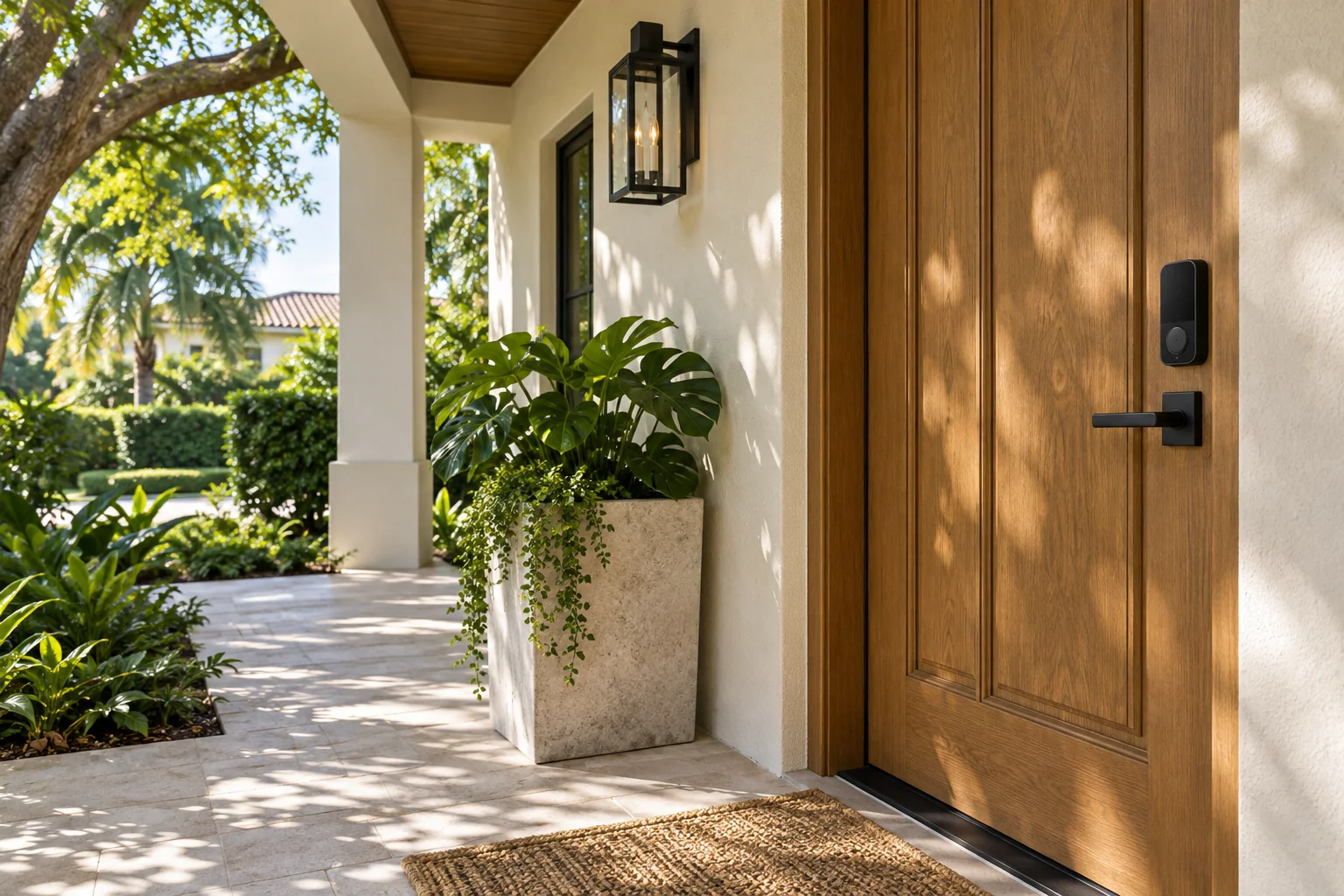
Your door belongs to you, and also to the building
In a house, the front door is entirely your business. In a condo, it sits in a gray zone. The unit may be yours, yet the door, the frame and the hallway outside are often treated as part of the building's exterior, fire safety and shared security. That is why associations frequently have a say in what you can install and how.
None of this means you are powerless. It simply means a lock project begins with a conversation and not with a purchase. If you buy a handsome new deadbolt and install it over a weekend, you may discover that the association requires a particular style, that management needs a key, or that the door is classified as a common element you are not allowed to alter. Learning that after the fact is frustrating and sometimes costly.
The rules differ from one building to another. Some associations are relaxed about interior hardware and strict about the exterior. Others set detailed standards for finish, brand and key system. This guide does not state what your building requires, because we cannot know. Instead it helps you ask the right questions so you hear the answer from the people who actually decide.
Find the documents that matter
Start with paperwork. Most condo communities have a declaration, bylaws and a set of rules or regulations that cover alterations. Look for sections on doors, locks, hardware, exterior modifications and access for emergencies. Many buildings also publish a short guide for owners or a form you must submit before making changes. If you cannot find these, your management office can usually provide them.
Pay attention to wording about who owns what. Terms such as unit, limited common element and common element carry real meaning. A door might be the owner's responsibility to maintain but still require approval to modify. A balcony slider might be considered part of the exterior. Knowing the category your door falls into tells you how much freedom you have and who pays for repairs.
If the documents are unclear, ask for a written answer. A short email to the property manager that describes the project and asks whether approval is needed leaves a record. Keep the reply. If a board member later questions your lock, you will have proof that you asked first. Written approval also helps when you sell, because buyers and their agents sometimes ask about exterior alterations.
Master keys and why they exist
Many condo buildings keep a master key or an emergency access arrangement so management, security or first responders can open a unit when something goes wrong. A water leak that is flooding the unit below, a smoke alarm sounding in an empty apartment or a resident who is unwell and not answering can all lead to a request to enter. A master system makes that possible without damaging doors.
A master key system works by giving each lock more than one combination that will turn it: the owner's key and a higher level key. This is done by adding extra pins in the cylinder. More about how these systems are built can be found in our master key systems page and the comparison of master key versus keyed alike. The key point for owners is that a master arrangement is part of the building's design, not an optional extra.
If your building uses such a system, changing your lock can break it. A new deadbolt that is not part of the system will not respond to the building's key, and management may then be unable to enter your unit in an emergency. Some associations respond to that by requiring owners to provide a copy of the new key, or by insisting on matching hardware. Ask early how your building handles it.
It also helps to know who actually controls the master key. In some buildings it sits with the management company, in others with a security desk or a lockbox in the lobby. Ask how it is stored, who can sign it out and whether use is logged. You are not being nosy, you are asking about the safekeeping of the one key that could open your home without you present, and a well run building will have a clear answer ready.
Questions to bring to management
A short list keeps the conversation useful. Ask whether the door and lock are the owner's to change, or whether approval is needed. Ask whether the building uses a master key or lockbox arrangement and how a replacement lock must connect to it. Ask whether a particular brand, finish or style is required for the door. Ask whether a contractor must be registered or provide documents under building rules, and whether notice to residents is needed for work in the hallway.
Also ask about timing and access. Some buildings limit contractor work to certain hours or require use of a service elevator. Find out whether the technician must check in at the front desk, and whether there are parking rules for a service vehicle. These practical details can save an awkward scene at the lobby. Provide management with the date, the scope and the contact for the visit.
If the building has an elevator reservation system, book it ahead, and ask whether the hallway needs protection from tools and debris. A courteous notice to neighbors on your floor, even when it is not required, goes a long way in a place where sound carries and people share walls. Small gestures like that keep a short lock job from turning into a complaint at the next board meeting.
Finally, ask who holds copies of your key. If the association keeps a key on file, find out where it is stored, who can use it and how it is logged. That is your right to know. And if you replace the lock, ask what the process is for giving management a new copy, so your unit is not left without a way in during an emergency.
- Is the entry door and its lock mine to change, or does it need approval?
- Does the building use a master key or emergency key arrangement?
- Are there required brands, finishes or styles for door hardware?
- Must contractors register or provide documents before working in the building?
- How do I give management a copy of a new key, and how is it stored?
Rekeying versus replacing in a condo
After a move or a lost key, many condo owners want the locks changed. In a condo, rekeying often has an advantage over replacement. Because the hardware stays in place, the door looks the same, the finish matches the building and, in many cases, the lock keeps its place in the building's key system. Your old keys stop working and new ones take over, and management can be asked whether they need an updated copy.
Replacement may make sense if the lock is damaged, worn out or you want an upgrade such as a smart deadbolt. In that case, the questions about approval, style and master access matter even more. A new lock must be compatible with the door's preparation and with the building's rules, so the technician and management need to be in agreement. Our guide on rekeying versus replacing locks explains the trade offs in detail.
If you rent your unit out, add the tenant to the picture. The owner usually decides on lock changes, and the lease and association rules both matter. Be clear about who holds keys and make sure the association has current contact details. For rentals in a building that allows short stays, see vacation rental lock management.
Smart locks and keypads in a shared building
Smart locks are popular in condos because they remove the need to pass keys to guests, cleaners and family. They also raise new questions. Does the association allow an electronic lock on the entry door? Does it need to see the code or be able to override it? Will an app based lock interfere with a building access system or with a fire safety requirement for the door?
Even where smart locks are accepted, the building may ask for a mechanical override key so staff can still enter. Keep that in mind when choosing a model. Our pages on smart lock installation and smart lock security basics explain what to look for in a lock and how to keep it dependable.
Be careful with Wi Fi in a multi unit building. Signals pass through walls and share space with dozens of other networks, which can affect reliability. A lock that works through Bluetooth or a hub inside your unit may be steadier than one that depends on a remote service. If the lock goes offline, you should still be able to enter with a code or a key. Test that before you rely on it.
Fire safety and the door itself
Condo entry doors often have fire related features: they may be fire resistant assemblies, fitted with self closing hardware and sealed with smoke gaskets. Altering them can affect those features. A door that is drilled for new hardware, or a lock that prevents the door from latching on its own, could undermine the way the door is supposed to behave. Do not assume that any lock fits any door.
Do not state or guess at what the fire code requires of your door. Ask your association, building manager or the local authority which hardware and modifications are allowed. These are the right people to say whether a particular lock is acceptable, and they can tell you who must sign off on the work. Our guide on fire code and exit door hardware questions lists the kinds of questions worth asking.
A professional technician can help here. They can check that a lock latches properly with the door's closer, that the strike is correctly placed and that the bolt engages without binding. They will not make claims about code compliance, but they can describe what they see and what a change would involve, so you can take accurate information back to management.
One more practical point concerns peepholes, door viewers and secondary chains or bars. Associations sometimes have opinions about these too, especially when they involve drilling the door. A viewer that is installed badly can leave a gap in a fire resistant door, so ask before you add one. If you want a different layer of protection, a technician can suggest options that do not alter the door in ways that might cause trouble later.
Lockouts, emergencies and building access
Condo lockouts have a few twists. You may have a key to your unit but no way to get into the building, or you may be able to enter the lobby and be stuck at your door. Know which doors you can open and who to call for each. Some buildings have a front desk or a concierge with spare keys, and others rely on a management office with limited hours.
If you are locked out of your unit, start with the simplest solution: check that you do not have a spare with a neighbor or in a lockbox that you have set up. If not, call management to find out what they can do. If a technician is needed, tell them you live in a condo, whether the door is part of a master system and whether any approvals are required. Our page about being locked out of a condo covers the specifics.
In an emergency such as a smell of gas, smoke or someone in danger inside, call emergency services first. A technician is not a replacement for emergency response. For ordinary lockouts, the process is straightforward: you call and describe your situation and location, the price is explained before work starts, and the technician comes to you. Be ready to show identification and proof that you live in the unit.
Keeping a clean record of keys
A building with many residents has many keys. Keep a short, private record of who has access to your unit: you, family, a cleaner, a dog walker, a relative who watches the unit when you travel. Note which keys are copies and which are originals. When someone moves out of your life, or a key goes missing, you know immediately what to change.
Consider giving only one extra key to a trusted person, and avoid leaving spare keys with several friends. Each additional copy is another place a key can be lost. If you use a lockbox in a shared building, ask management whether it is allowed, because some associations restrict outdoor attachments to doors or railings.
Also keep track of fobs and access cards that open the building. These are separate from your unit key, and a lost fob can be deactivated by management. For businesses leasing space in a mixed use building, our page for condo associations explains how access control and key systems are approached from the association's side.
Working with a locksmith in a managed building
Once you know the rules, the visit is easy. Share what management told you with the technician before they arrive: whether approval was given, whether the lock must be part of the master system, whether a particular finish is required and when and where the technician can park. The more they know, the fewer delays you will face.
Be present or arrange for a trusted person to be. The technician will confirm identity and ownership, look at the door, explain what is needed and give the price before starting. When the work is done, it is checked with you before the visit closes: key tried in the lock, bolt thrown, latch tested, door closer checked. Ask for any extra keys you need and for guidance on delivering a copy to management if required.
Keep the paperwork. Save the approval email, the description of the work and any notes about the key system. If you sell the unit later, or if a new manager joins the building, you will have a clear record of what was done and why. A little documentation now prevents misunderstandings later, and it makes condo living feel much less complicated.
If you are unsure where your unit stands, a lock security assessment can describe what you have, what shape it is in and what options exist, which gives you something concrete to bring to the board. For a single entry door, the process is short and the explanation is plain, and it often turns a loose worry into a clear list of next steps.
Common questions
Do I need my condo association's permission to change my lock?
It depends on your building. Many associations treat the entry door as part of the exterior or a common element, so approval may be required. Check your declaration and rules, and send management a short written question describing the change. Keep the reply for your records.
What is a master key in a condo building?
A master key is a higher level key that opens many locks in a building, in addition to each owner's own key. It lets management or emergency staff enter when needed. If you change your lock, ask management how the new lock will connect to that system or how they will receive a copy.
Can I rekey my condo door instead of replacing it?
Often yes, and it can be simpler because the hardware, finish and fit stay the same. Rekeying changes the inside of the cylinder so old keys stop working. Ask management whether the building must receive a new key afterward, and whether any approval is needed before the work.
Can I install a smart lock on my condo entry door?
Many buildings allow it, but some set conditions, such as a mechanical key backup or approved types. Ask your association or building manager before buying. They can tell you whether it affects master access, door closers or any rules for the door.
What should I do if I am locked out of my condo unit?
Check for a spare with someone you trust, then call management to see what they can do. If a technician is needed, explain that you live in a condo and whether a master system is involved. Be ready to show ID and proof that you live there. In an emergency, call emergency services first.
Who is responsible for repairing a broken entry door lock?
That depends on how your building classifies the door and the documents you signed. Some associations maintain exterior components, others leave it to the owner. Ask management for the answer in writing before you pay for repairs, so you know whether the cost is yours or the building's.