 Home Advisor Locksmith
Locksmith guidance for Miami Beach South Beach
Salt air, short stays, shared buildings and busy streets all shape lock problems near the water. This general guide for South Beach explains what to expect, what to prepare and what to ask.
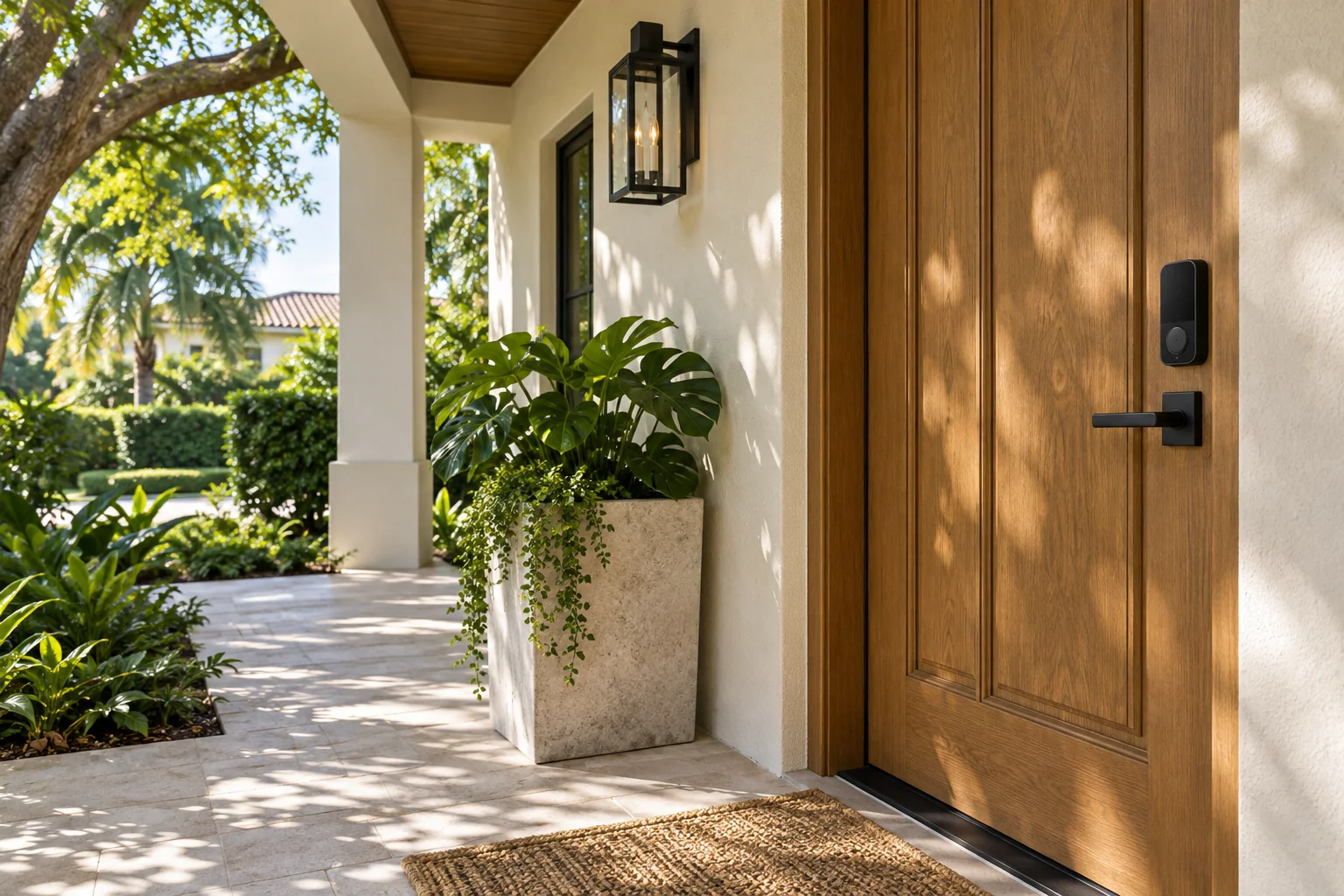
A general guide, not a local history
This page is general guidance for people in Miami Beach and South Beach. It does not name streets, hotels, buildings or events, and it makes no claim that the company has worked at any particular address. The aim is simply to help you think through lock and key problems in a place defined by water, tourism and a mix of housing types.
Home Advisor Locksmith is a mobile, locally owned locksmith serving every ZIP in Miami Dade. A real person answers the phone and the price is explained before the truck rolls. The technician comes to you, which suits a district where parking is tight and people are often away from home when a key goes missing.
If you live here, you may also be a landlord, a short term host or a business owner, and sometimes all three. This guide tries to speak to each role in turn, because the same door can be a home to one person and a workplace to another.
Salt air and what it does to hardware
Living near the ocean means living in air that carries salt. Salt settles on metal, draws moisture and speeds corrosion, so locks, hinges, handles and screws on exterior doors age sooner than the same parts inland. You may see a white or green film on brass, pitting on plated finishes or a rusty bloom on steel screws.
The effects reach inside the lock. A keyway that collects salt and humidity becomes gritty, keys wear sooner, and pins inside the cylinder can stick. A deadbolt may start to drag, or a latch may fail to retract fully. Because the change is gradual, many people only notice when a key finally refuses to turn.
The strongest protection is a mix of suitable materials and routine care. Hardware designed for marine conditions resists corrosion better, and a light rinse of exposed surfaces and gentle cleaning of the keyway help. The guide on salt air and lock corrosion explains the process in more detail.
When you choose replacement parts, ask about the material and the finish rather than only the look. Solid brass, stainless steel and plated steel behave differently in salt air, and a plated finish that is scratched during installation can start to corrode from the scratch outward. A technician who works in this climate can explain which options suit a door that faces the weather and which are better kept for protected interior doors.
Another habit that helps is watching for early signs. A faint squeak, a key that needs a little extra pressure and a handle that has lost its shine are all hints. Treating them while the lock still works costs far less effort than waiting until the day it will not open, when you may be standing outside with luggage, groceries or a deadline.
Balconies, sliders and doors that face the weather
Many homes near the beach have glass sliders, balcony doors and terrace entries. These are lovely, and they are also the doors most exposed to wind, rain and salt. Their small latches and lock pins corrode, and the tracks fill with sand and grit that stop the door from closing fully.
If a sliding door has become hard to lock, resist the urge to force it. Clean the track, check whether the door has dropped on its rollers and notice whether the latch lines up with the keeper. Forcing a stiff lock can bend the pin or crack the frame. A technician can service or replace the hardware without replacing the door.
The problem page on a sliding door that will not lock describes common causes, and a few simple additions, such as a bar or a pin in the track, can make these entries more secure while keeping the view and the airflow you chose them for.
Ask the technician about the lock type on your slider. Many use a simple hook latch that engages a keeper on the frame, and that hook can wear or bend after years of use. Replacing the latch with a better fitting one, and aligning the door on its rollers, often restores a firm closure without changing the glass or the frame, and it takes far less time than most people imagine.
- Clean sand and grit from the track so the door can close fully.
- Check that the latch meets the keeper without lifting or pushing.
- Look for salt film or rust on pins, screws and handles.
- Ask for hardware suited to coastal exposure when replacing parts.
Short term stays and the key handoff problem
Many properties in this area host short term guests. That creates a repeating question: how do guests get in, and how do you make sure a former guest cannot get in next month? A lockbox, a keypad code and a physical key all have different strengths, and each needs a routine to stay trustworthy.
Codes that change between stays are a common, reasonable approach. Keypad and smart locks make that easy, as long as someone remembers to change the code or let it expire. Physical keys are simpler but need to be collected, counted and occasionally rekeyed. No method is perfect, so the key is to choose one and run it consistently.
The guide on vacation rental lock management offers a practical outline, and the page on hotels and vacation rentals explains what a locksmith can do for properties with frequent turnover. Rules for rentals can vary by city and building, so ask your association, building manager or city office.
One more detail is the changeover itself. Between guests, someone should confirm that the door locks properly, that every key is accounted for and that no code from the last stay remains active. A short checklist that the cleaner or host runs after each stay turns a vague intention into a habit, and it is far easier than discovering a problem when the next guest calls from the doorstep.
Condos, hotels and the questions to ask first
A lot of living and working space here sits inside larger buildings with managers, boards or associations. Before you change a lock on a unit door, ask who decides. Some buildings require a copy of your key to be held on file, and some have rules about what hardware may be installed on doors facing a common corridor.
This guide cannot state what any association requires, and the same goes for fire code and building rules. Requirements vary, so ask your association or building manager, and keep any approval in writing. When the technician arrives, mention what you learned so the work stays within the rules from the start.
If you are locked out of a unit, the building may control the lobby and stairwell while you control only your own door. The problem page on being locked out of a condo covers the layers involved, and a short list of questions for your manager, covering key copies, approved hardware and who handles shared doors, will save you a second trip.
If you are a guest or a worker rather than an owner, the same principle holds. The person who controls the property decides who may enter, so a locksmith will ask for proof of your connection to the place. A written note from the owner or manager, or a booking that shows your stay, can serve when you do not hold a lease.
Lockouts when you are away from home
Lockouts happen to residents, but they also happen to visitors, workers and people who live here part of the year. Someone walking home late, someone arriving from the airport with a bag and a dead phone, or a worker stuck outside a back door can all end up in the same spot: no key and no easy way in.
Whatever your situation, start with the same calm steps. Check whether anyone else has a legitimate key, such as a roommate, a host, a manager or a relative. Do not try to climb, pry or use tools to get in. If a person or pet is inside and in danger, call emergency services first, before you call a locksmith.
When you call, say where you are, which door is locked and what lock you see. Be ready to show ID and something that ties you to the place, like a lease, a booking confirmation or a manager's note. The service page on residential lockouts explains the visit, and a responsible locksmith will always confirm your right to enter first.
Cars on busy streets and in garages
Parking is a daily puzzle, and car lockouts and key problems often happen in awkward places: a curb, a garage level, a hotel valet area or a driveway shared with a neighbor. Tell the dispatcher exactly where the car is and whether it can be reached safely. A calm, specific location saves a lot of confusion.
Remember that modern car keys contain electronics. A transponder key or smart fob must be programmed to the vehicle, so losing one involves cutting and pairing a replacement. A mobile locksmith can often do this where the car sits. Have the make, model and year ready, plus proof of ownership.
Visitors in rental cars should call the rental company first about its own policy on lost keys. For your own vehicle, the service page for car key replacement explains the process. If a child or pet is locked in a hot car, call emergency services immediately, because heat inside a closed car builds sharply.
A spare key kept in a safe place away from the car is the simplest protection against all of this. Many people never make one until they need it, and by then the options are narrower. If you have only one key to your car, making a second while the first still works is usually simpler and gentler on your schedule than starting over from nothing.
Shops, restaurants and street level doors
Businesses at street level have a different set of lock concerns. Glass storefront doors, narrow frames and doors used hundreds of times a day wear hinges and latches down in a short span of years. Salt and humidity add corrosion. A door that sticks, rattles or fails to latch is a security problem and a customer experience problem at once.
Key control matters just as much as the hardware. Staff come and go, and keys that are copied and never tracked can leave a business uncertain about who can open the door. Rekeying after a staff change is routine, and a simple written record of who holds each key does a lot of good.
Rules for panic bars, exit hardware and closers vary, so ask your landlord, building manager or city about what applies to your door. The page on storefront and glass door locks describes hardware that suits these entries, and the same thinking applies to kitchens, back doors and delivery entries, which are used constantly and often carry the heaviest wear.
Think about opening and closing routines too. A door that must be locked by a tired employee at the end of a long night should be easy to lock correctly. If the key must be lifted, pushed or jiggled, people will sometimes skip it. Good hardware that works smoothly each time supports good habits far better than a reminder note taped to the wall.
Storm preparation near the water
Hurricane season is a fact of life in Miami Dade, and coastal areas feel it early. Before the season, walk around each exterior door. Check that the door closes squarely, the bolt reaches the strike plate and the hinges are tight. A door that moves or flexes in the frame will be tested when wind rises.
Think about keys during an evacuation. Know where your car key, your spare and any key to storage or a second property are, and keep them together. If you have a smart lock, check the batteries and know the backup method. Tell family members the plan so no one is searching in a hurry.
After the storm, check again. Water can swell doors and shift frames. The list in hurricane season lock and door checks gives a simple walk around, and it applies equally to a condo unit, a house or a small shop.
Smart locks and shared access
Smart locks are a natural fit for places with many comings and goings, because codes can be issued and removed without cutting keys. They also let you handle a lockout without a trip, if you have remote access set up. The tradeoff is that batteries, connectivity and moisture become part of your routine.
In salt air, electronics need extra care. Keypads exposed to spray may corrode, and battery compartments may suffer. Choose products designed for outdoor use, ask for careful installation with seals in place and check batteries on a schedule. Keep a physical backup if your lock offers one.
The page on smart lock installation explains what setup involves, and the guide on smart locks in Miami humidity goes deeper into what to expect. Ask your association first if the door faces a common hallway.
Think carefully about what happens when the lock is the only way in. If a phone is lost or a battery dies, a guest may be stuck outside and you may be far away. A backup, whether a hidden physical key controlled by a trusted person or a secondary code, is a modest precaution that spares everyone a stressful call.
How a visit works, call to final check
You call and describe the situation and where you are. The price is explained before work starts, so you can say yes or no knowing the facts. The technician comes to you, does the work and checks it with you before the visit closes.
During the final check, try every key on every lock, test the door from both sides and, if a car was involved, start it and test the fob. If anything seems off, say so right then. It is far easier to adjust a lock while the technician is still in front of you than after they have left.
For help choosing who to call, the checklist for choosing a locksmith offers good questions. The home page has the call button, and the person who answers can talk you through what to expect.
Common questions
Does salt air really shorten the life of a lock?
Yes. Salt settles on metal, draws moisture and accelerates corrosion, which can make keys stick, deadbolts drag and screws loosen. Hardware made for marine conditions and a bit of routine cleaning slow the process, but exposed locks near the water still need more frequent attention.
Can I change the lock on my condo unit myself?
That depends on your building. Many associations have rules about unit door hardware or key copies, and this page cannot say what yours requires. Ask your association or building manager first and keep the answer in writing before any work starts.
How should I manage keys for a short term rental?
Choose one method and run it consistently. Keypad codes that change between stays are common, while physical keys need to be collected and sometimes rekeyed. Whatever you choose, keep a written record and ask your building about any rules for rentals.
Why will my balcony door not lock anymore?
Sand, grit and corrosion in the track and latch are common causes, and the door may have dropped slightly on its rollers. Avoid forcing it. A technician can clean, adjust or replace the hardware and suggest parts better suited to coastal exposure.
What should I do if I am locked out while visiting?
Check whether a host, manager or companion has a key. Do not try to force a door or window. If someone is in danger inside, call emergency services first. Otherwise call a locksmith, explain where you are and be ready to show ID and proof of your right to enter.
How is the price explained?
Before any work starts, the price is explained to you so you can decide with full information. If the job turns out to need something different, such as replacement hardware, that is discussed and agreed with you before the work continues.