 Home Advisor Locksmith
Lock and Key Help for Little Havana Homes and Shops
In a community where households and shops are often multilingual and keys are shared across generations, a lock problem touches many people. This general guide explains how to get clear help from a mobile locksmith.
What this guide covers and what it leaves out
This page is general guidance for people who live or work in Little Havana. It does not describe particular streets, businesses or history, and it makes no claim that the company has done work in any specific building. What it offers is a practical walk through lockouts, rekeying, car keys and smart locks, written for households where many people share one set of keys and where a problem at the door affects the whole family.
Home Advisor Locksmith is a mobile, locally owned service that covers every ZIP in Miami Dade. Calls are answered by a real person, the price is explained before the truck rolls, a technician comes to you, and the work is checked with you before the visit closes. Contact is by phone only, so the call itself is the place where you make your situation clear, and most of this page is about making that call easy.
Read it from the top if you have time, or jump to the section that matches your worry. A parent whose teenager lost a house key may care most about rekeying. A shop owner whose back door will not lock may care most about the section on small businesses. Either way, the goal is the same: a calm, informed decision at a moment that is rarely calm.
Making the phone call work for everyone in the household
Many families in Miami Dade speak more than one language at home, and it is common for the person who is most comfortable describing a technical problem to be a different person from the one standing at the door. If that is your situation, decide who will do the talking before you call. Put the call on speaker if you need to, and let the person who can describe the lock and the location most clearly take the lead.
The person answering the phone will ask where you are, what the lock or key is doing, and whether anyone is in danger. If you are not sure about a word, say so. It is perfectly fine to describe what you see: the key goes in but does not turn, the handle spins, the door will not close, the button on the key fob does nothing. Plain descriptions of what you see and hear are worth more than technical words used incorrectly.
Have a pen or a phone note ready so that you can write down what is agreed. The price is explained before the truck rolls, and writing it down helps everyone at the door remember the same thing. If an older relative will be at home when the technician arrives, tell them what was agreed and who is coming, so that nobody is surprised by a knock.
Keys that have been shared across a whole family
In many households the same key has been copied for years, and nobody is sure how many copies exist. A grown child who moved out, a relative who stayed during a hard season, a neighbor who watered the plants while you were away, and a handyman who did a repair may all still carry a copy. None of this is unusual, but it does mean the lock has stopped giving you control over who can enter.
Rekeying brings control back. A technician rearranges the pins inside the cylinder so that the old keys no longer fit, and you receive a new set. The handle, the deadbolt and the finish stay as they are. If the household includes several adults, it is helpful to decide in advance who needs a key, so you can make exactly that many and no more. The guide to spare key strategies offers ideas for sharing access without scattering copies.
If you are weighing a bigger change, the comparison of rekeying and a new lock set explains how to decide. And if the keys are old and worn, remember that copies of copies are less accurate each time. A fresh set cut from a good original or produced through rekeying tends to turn more smoothly and wear less on the lock. If one key has been copied again and again, it is often wise to retire the whole family of copies together rather than keep a few old ones in a drawer just in case they are needed.
When a key breaks or a lock will not turn
A key that has been used for many years can snap without warning. If it happens, stop turning the lock and avoid pushing the broken piece further in. Describe to the person on the phone whether part of the key is sticking out and whether the door is currently locked. The service page for broken key extraction explains how the technician approaches the problem at your door.
Sometimes the key is fine and the lock is the culprit. A lock that turns hard may be dirty, corroded or misaligned with the door. If you force it, the key can bend or break, and you may turn a small problem into a lockout. The write up on a key that will not turn lists the common causes and what you can safely check before you call.
One safe check is whether the door is pressing against the latch. Try lifting or pushing the door slightly while turning the key. If it then turns, the issue may be door alignment, not the lock. Mention this when you call, because it helps the technician decide whether to bring cylinder parts, hinge screws or both. Do not use tools, and never try to defeat a lock yourself.
Small shops, back doors and storefronts
Neighborhoods with a lively commercial street have doors that open and close dozens of times a day. Customers come through the front, deliveries arrive at the back, and staff carry keys that are copied, lost and replaced. A lock that works hard all day will wear sooner, and a shop door that no longer latches cleanly can cost you a night of worry.
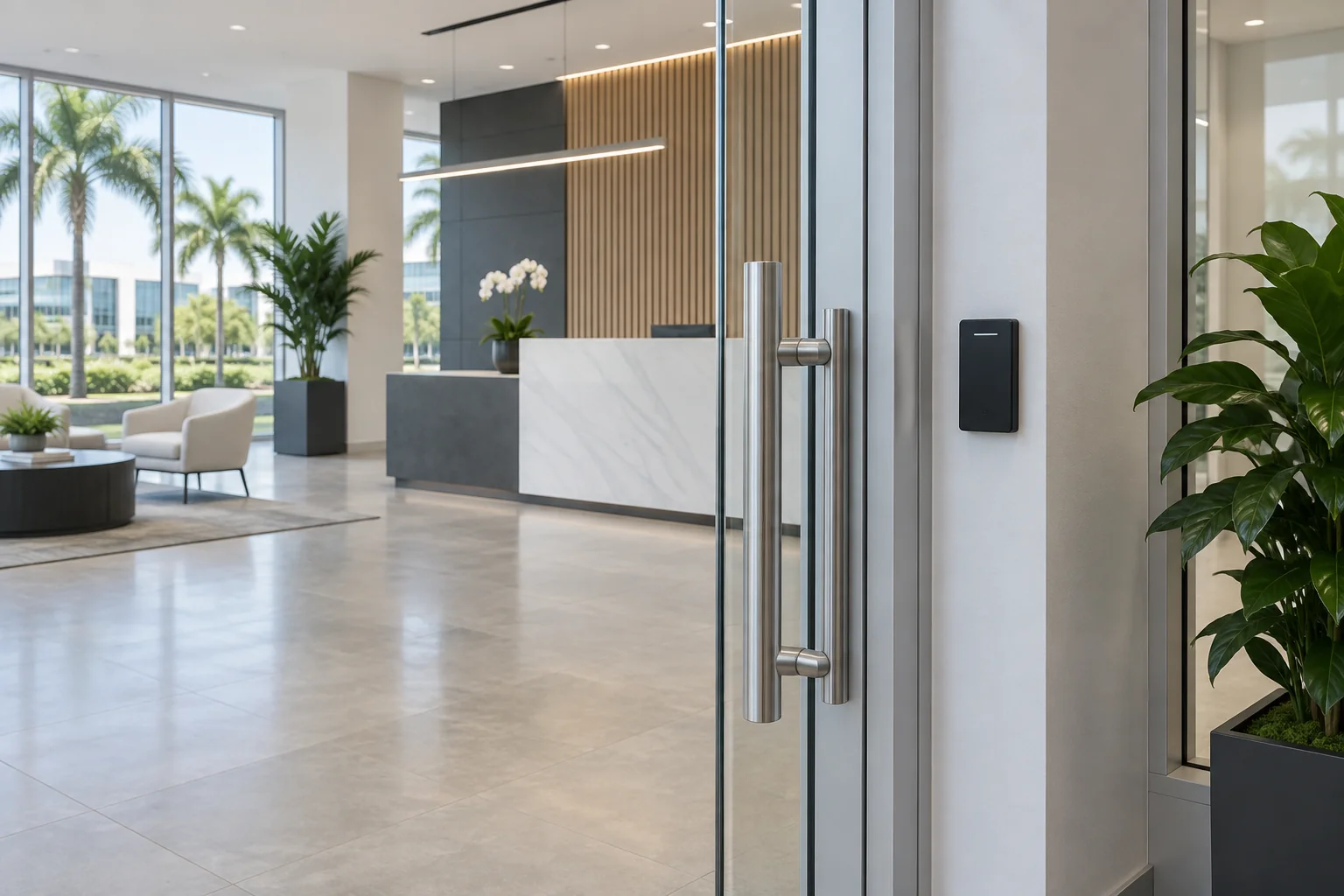
Glass doors and storefronts need special hardware, because there is often little frame to hold a lock. The page about storefront and glass door locks explains how these are handled. For the rear entrance, a heavier deadbolt and a sturdy strike plate usually matter more than appearance, and a door closer that works properly keeps the door from being left ajar.
If keys have gone missing or a former employee still holds a copy, rekeying the doors is a sensible step. The guide on a business key control policy shows how to keep track of who has what. A few minutes of record keeping saves you from guessing, and it makes staff changes much simpler to handle.
Car keys and shared family vehicles
Families often share vehicles, which means keys move around and sometimes vanish. A modern key may be a simple metal blade, a key with a transponder chip, or a smart key that works by radio. Each type needs a different process to replace, and a copy cut at a hardware store may open the door yet fail to start the engine because the car does not recognize the chip.
If you have one working key left, say so. A working key can often serve as the starting point for making another. If every key is lost, proof of ownership becomes especially important, and the technician will ask for identification and registration. The explainer on car key types helps you work out which kind you have before you call.
The page on car key replacement describes how a mobile visit unfolds. For questions that depend on a particular vehicle, such as limits on programming extra keys, ask your vehicle maker, because policies differ. And if a child or pet is locked inside a hot car, call emergency services first, before anything else. A locksmith comes second in that situation. Responders have the training and equipment to act at once, and the call to emergency services should be made before anyone searches for a spare key or a phone number.
Smart locks, shared codes and household habits
Smart locks suit homes where many people come and go. A keypad lets you give each person a separate code, so a visiting relative or a helper can enter without a key and you can cancel the code later without changing the lock. That is a real convenience, but it only works if someone manages the codes and keeps the batteries fresh.
Think about the least technical person in the household. If an older relative would struggle with an app, make sure the lock also has a keypad or a physical key. If children come home alone, a code they can remember may be better than a key they might lose. The comparison of smart locks and keypad locks helps you match features to habits.
Installation matters as much as the lock. The door must close squarely, the bolt must slide freely, and the strike plate must align. A smart lock fitted to a sticking door will drain its batteries sooner and fail at awkward moments. The page about smart lock installation explains what a technician checks first.
Heat, damp air and doors that fight back
Miami Dade summers are hot and humid, and the damp air reaches every lock. Wooden doors swell, hinges loosen, and metal parts corrode. In older buildings the effect compounds, because paint layers, repairs and settling frames leave doors slightly out of square. A door that sticks only after a rainy week is probably reacting to moisture, not to a failing lock.
Salt air makes this worse near the coast, but even inland areas feel the humidity. Lubricate carefully, only with products a locksmith recommends, and never pour household oil into a cylinder. A light cleaning and the right lubricant are often enough to restore smooth action. The guide on a lock maintenance calendar helps you plan upkeep across the year.
Before hurricane season, check every door, gate and shutter latch. A door that does not close properly in calm weather will not hold in wind. Tighten loose screws, check strike plates, and make sure anyone in the house can open emergency exits from inside. If you find something you cannot fix, call early, since demand grows once a storm approaches.
Rentals, landlords and who decides on locks
If you rent, the lease usually decides who may change locks. Some landlords allow tenants to rekey with notice, some keep a master key, and some forbid changes altogether. Read the lease and talk to the landlord before you act. If you have just moved in and are unsure who else holds a key, ask whether the locks were changed after the previous tenant left.
Landlords have duties too, and good ones take lock questions seriously. If you manage a rental, plan for turnover: rekey between tenants, keep a record of keys, and tell tenants how to request a change. The page about locksmith work for property managers describes how repeat work is usually arranged.
If you are caught between a worry about safety and a worry about the lease, a polite message often resolves it. Describe the concern, propose a solution such as rekeying with a copy of the key provided to the landlord, and ask for permission in writing. Most disputes disappear when both sides know what is happening. Keep a copy of that message with your lease papers, because a clear record protects tenant and landlord alike if anyone asks months later who authorized the change and why it was done.
Teaching the whole household one simple lockout plan
The calmest lockouts are the ones the household has already talked about. Sit down once, with everyone who lives in the home, and agree on three things: who to call first if someone is locked out, where a trusted spare key is kept, and what to do when nobody can be reached. Write the plan on a card and keep a copy in a place every adult can find, such as a kitchen drawer.
Include the children in an age appropriate way. A child who is locked out after school should know to wait in a safe, public place and to call a parent or a named adult, not to try the windows or ask a stranger for help. Teenagers should know never to hide a key in an obvious spot, and never to hand a copy to a friend without asking. These small rules prevent far more trouble than any lock can.
Look over the plan once a year, perhaps at the start of hurricane season when you check everything else. Update phone numbers, move the spare key if circumstances have changed, and confirm that the person holding the spare is still reachable. A plan that has not been looked at in three years is a plan that no longer matches the household, and a lockout is the worst time to discover that.
Preparing for the technician
Before the technician arrives, clear the path to the door or vehicle. Keep pets secure, and make sure someone who has the right to authorize the work will be present. Have identification and a sign of ownership or tenancy ready, such as a lease, a bill or a registration. If you are acting for someone else, bring a note from them.
Expect a short conversation on arrival. The technician introduces themselves, looks at the problem, explains the work and confirms the price you were quoted. If the job is different from what was described on the phone, they explain the difference before they start. You are never obliged to continue, and a good technician will not pressure you.
When the work is done, test everything with the technician present. Turn each key several times, throw and retract the deadbolt, close the door, and check that it latches without effort. Ask for advice on care, and keep the new keys in a safe place. The guide to what to do when locked out is worth saving for the next time something unexpected happens.
Common questions
What if the person who explains things clearly is not the one at the door?
Decide beforehand who will talk, and use speaker mode if that helps. The person on the phone needs the location, the problem and any safety concern. Whoever is at the door should be ready to show identification and take part in the final check of the work.
Should I rekey if a relative has a copy of my key?
Many people do, especially when a copy has passed through several hands. Rekeying makes old keys stop working while the lock stays in place. It is a sensible step when you are unsure who holds copies, and a technician can explain whether your hardware suits it.
Can a broken key be taken out without damaging the lock?
Often it can, particularly if part of the key is still visible. Stop using the lock and describe what remains. If the piece is deep inside or the cylinder is damaged, the technician may need to open or replace the cylinder, and will explain this before work begins.
Why does my door stick during the rainy season?
Wood and paint absorb moisture, so doors can swell and rub against the frame. The lock may be fine. Tell the person on the phone when the sticking occurs, because the pattern helps the technician decide whether to bring lock parts or tools to adjust the door.
What proof will the technician ask for?
Expect to show identification and a sign that you may open the door or vehicle, such as a lease, utility bill or registration. Tenants may need the landlord's permission and managers may need a letter. This protects owners, and having it ready keeps the visit moving.
Does this page mean the company has worked in Little Havana?
No. It is general guidance for people in that community and does not describe any past job. The service covers every ZIP in Miami Dade, and the way a call, a price discussion and a final check are handled is the same wherever you live.