 Home Advisor Locksmith
Locksmith Guidance for Family Homes in Flagami
Family homes collect keys, habits and hardware over many years. This page is general guidance for people in Flagami on caring for older locks, sharing keys sensibly, handling lockouts and preparing doors for the weather.
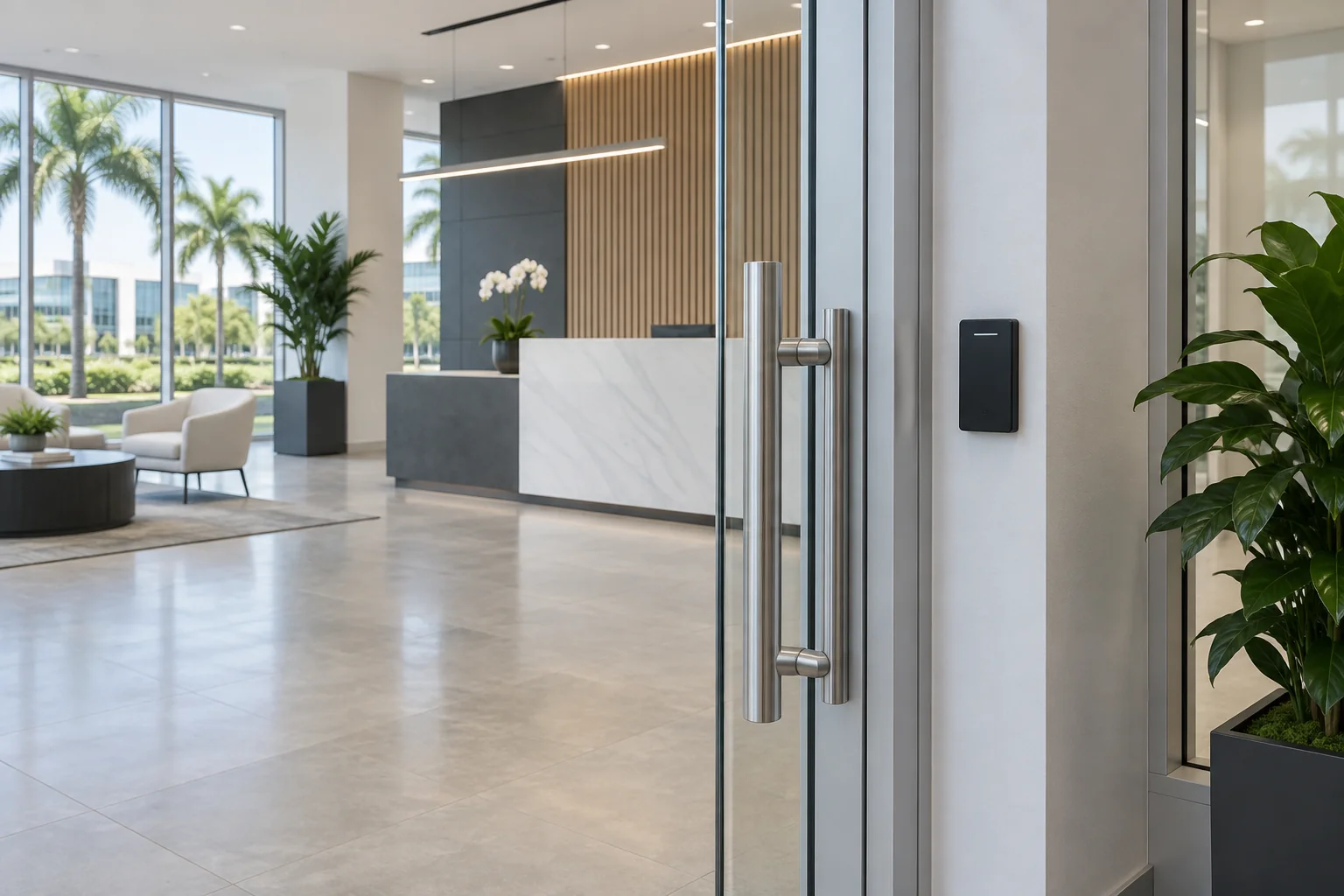
Family homes and the keys that come with them
A family home is never static. Children grow up and move out, grandparents visit and stay, relatives drop by with a spare key in their pocket. Over many years, the number of keys that open the front door can grow far beyond what anyone planned. Each key is a small piece of trust handed to someone, and trust changes with time.
That does not mean anyone has done anything wrong. It simply means that a thoughtful household checks who holds keys now and then, the way it might check smoke alarm batteries or storm supplies. A short family conversation about who needs a key and who no longer does can prevent a great deal of worry.
This page is general guidance for people in Flagami and the surrounding parts of Miami Dade. It does not describe particular houses or streets, and it makes no claims about local conditions beyond the ordinary realities of a warm, humid, storm prone county. The aim is to help you understand your own locks, ask clear questions and feel prepared when something stops working.
If you have just bought or inherited a home, the same thinking applies on a bigger scale. You may have no idea how many keys exist for the house, who made them or where they went. The guide on moving into a new home gives a simple order of tasks that starts with the doors people use most.
Older hardware and what wears out
Many homes in Miami Dade have been standing for decades, and some still carry original locks. An old lock is not automatically a bad lock, since many older sets were made solidly. But metal wears, springs tire and finishes thin, and the parts that move most often are the first to give out.
The usual suspects are simple. A key that has been copied many times drifts from its original shape and starts to stick. A deadbolt that has dragged against a frame for years develops a stiff throw. A latch spring weakens, so the door no longer closes with a firm click. A strike plate loosens as screws work loose in old wood.
None of these is a disaster, and most are repairable. The most useful habit is to notice early: a key that needs a wiggle, a door that needs a shove, a handle that droops. Describe those small signs when you call. The problem page on a lock that feels loose explains what technicians look at in those situations.
Keep notes of what you see. A door that rattles in the wind, a key that turns only halfway, a handle that spins without catching, a lock that works in the morning and sticks in the evening. These patterns point to specific causes, and a technician can often guess the repair from a good description before arriving at the door.
Who holds a key, across generations
In a household that spans generations, keys travel. A grandparent holds one so they can let in a repair person. An adult child has one from years ago. A neighbor has one for emergencies. Everyone has good reasons, and nobody has a list. If a key goes missing, nobody can say who last had it.
One good step is to make a simple list on paper: name, door, date. It does not need to be formal. Just writing it down brings surprises to the surface, such as a key held by someone who moved away years ago. Then decide, as a family, which keys should stay and which should be retired.
For keys that cannot be recovered, rekeying is the usual answer, and the guide on spare key strategies offers ways to organize extra keys. Avoid hiding a key outside, since anyone who finds the spot can use it. A spare left with a trusted person nearby is a safer habit, and it can be as simple as a neighbor you know well.
When a household member moves out, treat the key as part of the move. Ask for it back, note the date and decide whether the lock needs attention. Most of the time this is a friendly handover and nothing more is needed. If the situation was difficult or the key does not come back, a rekey is a calm and sensible step that avoids any later doubt.
- Write down who holds a key to each door.
- Retire keys held by people who no longer need them.
- Rekey if a key is lost and cannot be found.
- Keep one spare with a trusted person, never hidden outside.
Locked out with family inside or outside
Family lockouts have a particular character because someone is often involved who cannot help. A child inside a locked house, an older relative who cannot reach the door, or a pet that should not be left alone. Before anything else, think about safety. If a child or a pet is in danger, call emergency services first and the locksmith second.
If nobody is in danger, stay calm and gather your facts. Which door is locked? Is there a deadbolt or just a knob lock? Does anyone inside have a phone? Does a neighbor or relative hold a spare? When you call, share those details. The price is explained before work begins, and the technician comes to you.
The technician will ask for identification and some sign that you live at the address. That can feel awkward at your own front door, but it protects your home from anyone who might try the same story. The page on residential lockouts explains the visit from start to finish.
Afterward, talk as a family about how it happened. Was the door pulled shut by a draft, did the lock engage by itself, did someone forget a key? A fix may be as simple as a hook near the door or a spare held by a relative. If the lock itself behaved strangely, tell the technician before they leave so any small repair can be done during the same visit.
Rekey or replace on an older house
Deciding between rekeying and replacing is the most common question about older locks. Rekeying changes the inside of the cylinder so a new key works and old keys do not. It keeps the hardware you have. Replacing installs a new lock, which makes sense when the old one is worn, damaged or no longer what you want.
A useful rule of thumb is to ask whether the lock is physically sound. If it turns smoothly, the finish is acceptable and the bolt extends properly, rekeying is often enough. If the lock is loose, corroded, mismatched across doors or hard to operate, replacement may serve you better. A technician can look at the lock with you and give an honest view before pricing anything.
The comparison of rekey versus new lock set goes through these questions, and the page on deadbolt installation and upgrades describes what an upgrade involves. Upgrading a deadbolt is one of the more useful changes, since a solid deadbolt in a sound frame adds real resistance at a modest scale.
Another choice is between single and double cylinder deadbolts, where the second type needs a key on the inside as well. That can complicate leaving a home in a hurry, so it is worth a careful conversation. Ask the technician to explain how each type behaves and what you would do in an emergency, and think about who in the household must be able to leave without a key.
Doors, frames and what holds them together
A lock sits inside a door, and the door sits inside a frame, and the strength of the whole depends on every part. A heavy deadbolt in a frame with short screws and soft wood gives less protection than it seems. The strike plate, the hinges and the frame itself all matter, and in older homes the wood may have dried, cracked or shifted.
Look at the frame near the latch. Are there cracks? Does the strike plate wobble? Are the screws short? Longer screws that reach the solid stud behind the frame make a surprising difference. A technician can often fit them during a visit. Mention any gaps or movement you notice so the right parts are brought.
If your door has started to stick in humid weather, the cause may be swelling rather than the lock. The problem page on a door that sticks in humid weather explains the pattern. Please do not plane or cut a door yourself without advice, since changes to a door can affect how it seals and locks.
Hinges are an often forgotten cause. A door that has sagged on loose hinge screws will drag against the frame and push the bolt out of line. Tightening or replacing hinge screws is a small job that sometimes solves what looked like a lock problem. Tell the technician whether the door rubs at the top, the bottom or the latch side.
Windows, sliding doors and side entrances
The front door gets the attention, but a house has other ways in. Windows, sliding glass doors, side doors and doors from a garage or carport are all part of the picture. Often these have simpler locks than the front door, and they can be the weakest point.
Window locks are small latches that hold the sash closed, and they can loosen or corrode over time. A sliding door has a latch that can wear, and a track that can collect dirt. A side door may have an old knob lock that has never been upgraded. Each is worth a look, and each can be improved with modest work.
The page on window lock installation explains one type of improvement, and the problem page on garage side door lock problems covers a common trouble spot. Describe each door and window you are concerned about when you call, and the technician can plan the visit around them.
Carports and fences add one more layer. A gate with a padlock, a latch on a side fence or a lock on a storage cabinet by the house all need the same simple checks as a door. Rust, loose screws and stiff shackles are common. Replace a worn padlock before it fails, and keep its key with the other household keys.
Family cars and shared keys
In a family with more than one driver, car keys wander. One key is in a coat pocket, another is on a hook, a third is lost somewhere. When a key finally goes missing, the question is how many working keys remain. Having a spare, stored away from the car, changes a lost key from an emergency into an inconvenience.
Modern keys often contain a transponder chip that talks to the car, so a copy needs more than cutting. A smart key with push button start works differently again. When you call, give the make, model and year, say whether any working key remains and be ready to show identification and proof that the car is yours.
The page on car key replacement explains the process. If a child or pet is locked in a closed car, call emergency services first, because heat inside a closed vehicle builds in a short time. A locksmith can help with a key problem once everyone is safe.
Teenage drivers are a special case, since new drivers lose keys more often. Agree on a place for the key at home and a spare that lives away from the car. A smart key fob in a bag or a pocket can be locked inside a car easily, so build the habit of checking before the door closes. A short family rule prevents a surprising number of calls.
Smart locks for a household with different comfort levels
Not everyone in a household welcomes new technology. A keypad lock can be wonderful for a teenager who loses keys and confusing for a relative who prefers a metal key. Before installing a smart lock, think about everyone who will use the door and whether each of them is comfortable with it.
A good approach is to keep a mechanical key option wherever possible, so that anyone can use the door without a phone or a code. Choose a lock with clear buttons and feedback, and teach each person how it works. Batteries need attention, and a weak battery often shows itself with beeps or slow response.
The page on smart lock installation describes the work. Humid air and heat can be hard on electronics, so mention if the lock will face direct sun or damp. A short family walk through of how the lock behaves when the battery is low saves a lot of confusion later.
Speaking your own language when you call
Miami Dade has many multilingual households, and a lock problem is a hard moment to search for English words. If you are more comfortable in Spanish or another language, it is reasonable to ask whether someone can help in that language. If not, a family member can make the call, with you beside them.
Simple words do the job. Say where you are, what kind of door or vehicle it is and what went wrong. When the technician arrives, point to the door and the key and show what happens. Calm, clear gestures go a long way, and a good technician is glad to explain twice.
Whatever language you speak, the same standards apply. The price is explained before work begins, the technician comes to you, and the work is checked with you before the visit closes. If you feel unsure at any point, say so. Home Advisor Locksmith aims to keep the process plain, and you can return to the home page for the full range of services.
Heat, humidity and getting ready for storms
The climate shapes how doors behave. Humidity swells wood, heat expands metal and salt air, even inland, speeds rust on exposed hardware. A family home with a screen door, a carport gate or an outdoor storage cabinet has several places where this shows up. Wipe visible hardware and notice stiffness.
Before hurricane season, check each exterior door. Do they close firmly and latch? Do deadbolts extend fully? Do hinges look tight? A short walk around the house before a storm warning is far easier than a search for help afterward. If anything feels loose, mention it early so it can be arranged calmly.
The guide on hurricane season lock and door checks offers a gentle checklist. Keep a mechanical key for any electronic lock, and tell the family where it lives.
Common questions
How do I find out who has keys to my family home?
Write a simple list with each person's name, the door and the date. Ask relatives, neighbors and former tenants whether they still hold a key. The list often reveals forgotten keys. If you cannot account for a key, rekeying the lock is the usual way to make it useless.
Should I rekey or replace an old lock?
If the lock is physically sound and turns smoothly, rekeying is often enough. If it is loose, corroded, mismatched or hard to operate, replacement may serve better. A technician can look at it with you and give an honest view before the price is explained and any work begins.
Why does my old key stick or need a wiggle?
Keys wear, and copies of copies drift from the original shape. The cylinder may also hold grit or corrosion from humid air. Do not force the key, because it may break inside. Tell the technician how long it has been sticking and whether it is worse in damp weather.
Are window and sliding door locks worth upgrading?
Often yes. They tend to be simpler than front door locks and can be a weak point. Latches loosen, tracks collect dirt and corrosion builds up. A technician can suggest practical improvements. Describe each window or door you are concerned about when you call.
What if my relative does not like smart locks?
Choose a lock that keeps a mechanical key option, so anyone can use the door without a phone or a code. Pick one with clear buttons and feedback, and show each person how it works. Check the batteries on a routine and explain what the beeps mean.
Can I ask for help in Spanish or another language?
You can ask whether someone can assist in your language. If not, a family member can make the call while you stay at the door. Either way, the price should be explained before work begins, and the work should be checked with you before the visit closes.